

Best of France
From Paris’s creative pulse to Bordeaux’s vineyards and regional traditions beyond, France is defined by cultural depth and strong local identity. The best of the country lies in how its cities, gastronomy, and landscapes connect.
France is one of those rare countries whose image is almost too famous for its own good. So much has been projected onto it — elegance, taste, beauty, refinement — that it can seem entirely legible from afar. In reality, France is harder to grasp than its clichés suggest. It is a country held together by a strong national image, yet constantly refracted through regional habits. Paris is often mistaken for France as a whole, but the diversity of the country has far more to offer than that single imaginary. That tension helps explain why France can feel at once familiar and difficult to summarize. It is also part of what makes it so compelling to travel through.

FRANCE HIGHLIGHTS
Fernwayer approaches France through those cultural codes and regional differences. Our experiences are designed to show how national myths are grounded in specific people, places, and practices: historians who read cities through their architecture and political past, chefs who reveal how food expresses local identity, and winemakers who place taste back into landscape, labor, and tradition. Our goal is not to repeat the familiar image of France, but to make it more legible through the people who live it. The section below is where to begin.
We had such a good time with Samuel, it was one of the best walking tours I've personally done.
- Alice L.
He is a master photographer, but he wasn't just there to teach technique.
- Vinitaa J.
A truly enjoyable experience with Luis, who made us feel instantly welcome in his home.
- Antoine B.
Nathalie and Olivier welcomed us into the courtyard of their estate in the countryside north of B...
- Sara M.
OUR FRANCE DESTINATIONS

Bordeaux
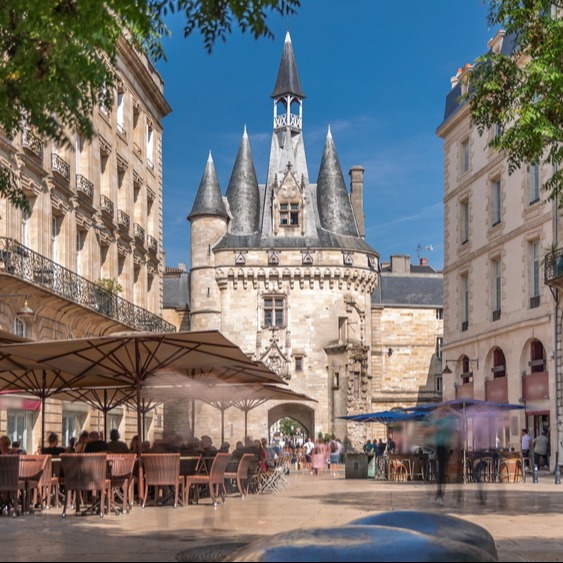
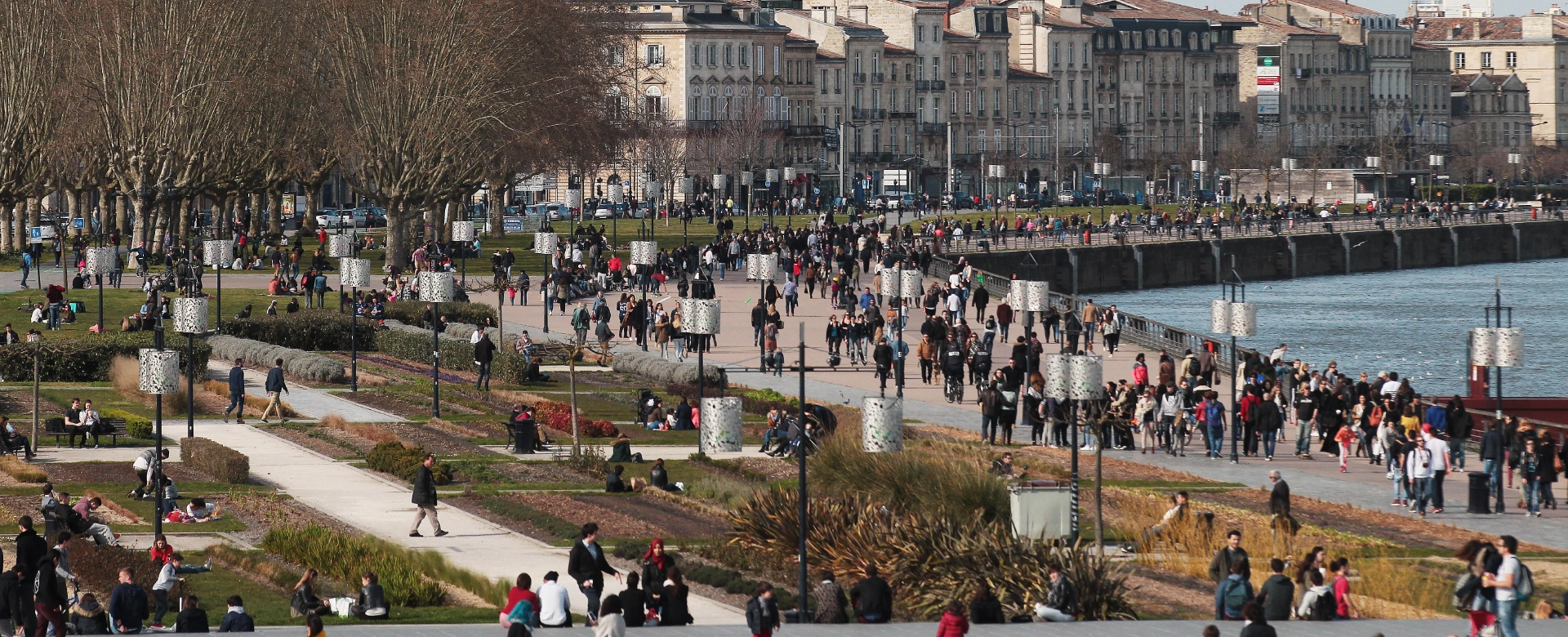
Bordeaux is often recognised for its grand wine estates and neoclassical quaysides. Its true character lives in the early hours, when the city moves at the rhythm of merchants opening cellars in the Saint-Michel quarter, fishmongers laying out their catch at the Marché des Capucins and café owners pulling back shutters along the Rue Sainte-Catherine. Beyond the châteaux and the UNESCO-listed waterfront that draw visitors, the city reveals a world shaped by Atlantic trade, Gascon ambition and a bourgeois culture that built one of Europe's most coherent urban landscapes. The table here reflects centuries of that same confidence, from entrecôte bordelaise and lamprey stewed in its own blood to the cannelés and macarons that have defined its pâtisserie tradition.
Paris
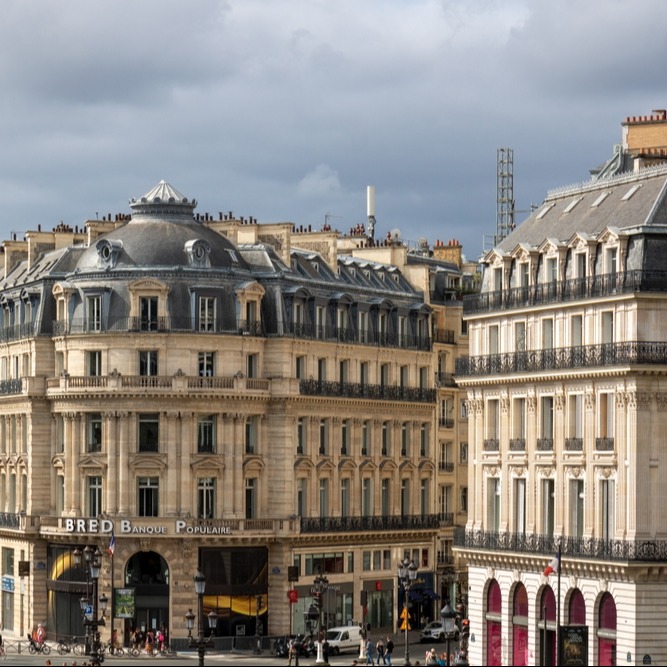
Paris is often recognised for its river crossings and the silhouette of its great monuments. Its true character lives in the early hours, when the city moves at the rhythm of market porters at Rungis supplying the neighbourhood poissoneries and fromageries, boulangeries firing their second bake of the morning and café zinc counters filling with tradespeople before the tourist day begins. Beyond the museums and the postcard perspectives that draw visitors from every corner of the world, the city reveals a world shaped by successive waves of migration, intellectual ferment and a street-level culture of debate, craft and daily ritual that has little to do with spectacle. The arrondissements each carry a distinct personality, from the working-class memory preserved in Belleville and the Goutte d'Or to the quiet bourgeois streets of the 15th and the village-like squares of Montmartre that exist behind its crowded hilltop.
Provence
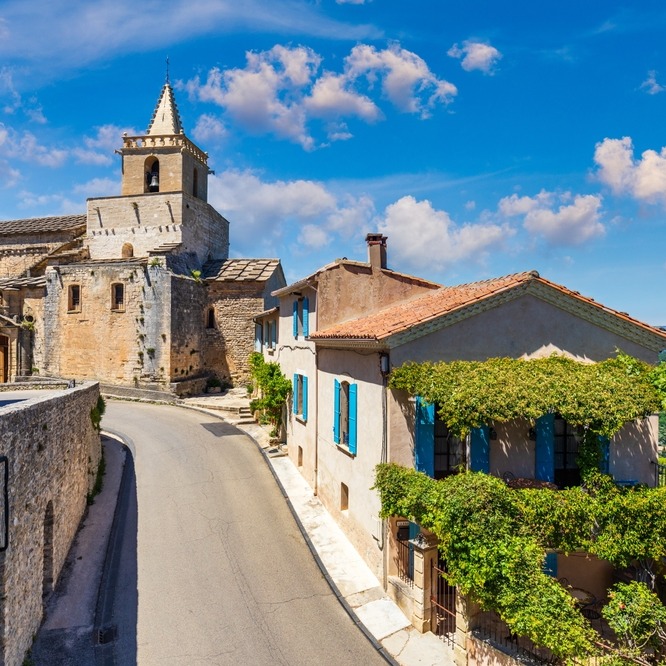
Provence is often recognised for its lavender fields and hilltop villages. Its true character lives in the early hours, when its towns move at the rhythm of producers arriving at the morning markets, farmers tending olive groves on terraced slopes and fishermen returning to the small ports of the Var coast. Beyond the landscapes that have drawn painters and tourists for over a century, the region reveals a world shaped by Greek and Roman settlement, the legacy of the troubadour courts and a fierce attachment to local identity that persists in dialect, festivity and food. The table here is built on olive oil, wild herbs, aged cheeses and the catch of the Mediterranean, producing dishes that carry the weight of a distinct civilisation rather than simply a regional cuisine.
See all Provence Experiences.
FERNWAYER'S THINGS TO DO IN FRANCE
In France, Fernwayer currently focuses on Paris, Bordeaux, and Provence, three areas that show the country through very different cultural frames. Paris is approached through the Louvre, Versailles, Notre-Dame, gallery spaces, kitchens, and streets read with people who know the city from within. Bordeaux shifts the focus toward wine, port commerce, Atlantic connections, and the working estates behind one of the country’s most influential regions. Provence adds villages, markets, Roman heritage, vineyards, and Mediterranean food traditions. Across these destinations, Fernwayer’s experiences move between major reference points and more specific local practices, giving travelers a clearer way into France’s regional depth.
Bordeaux
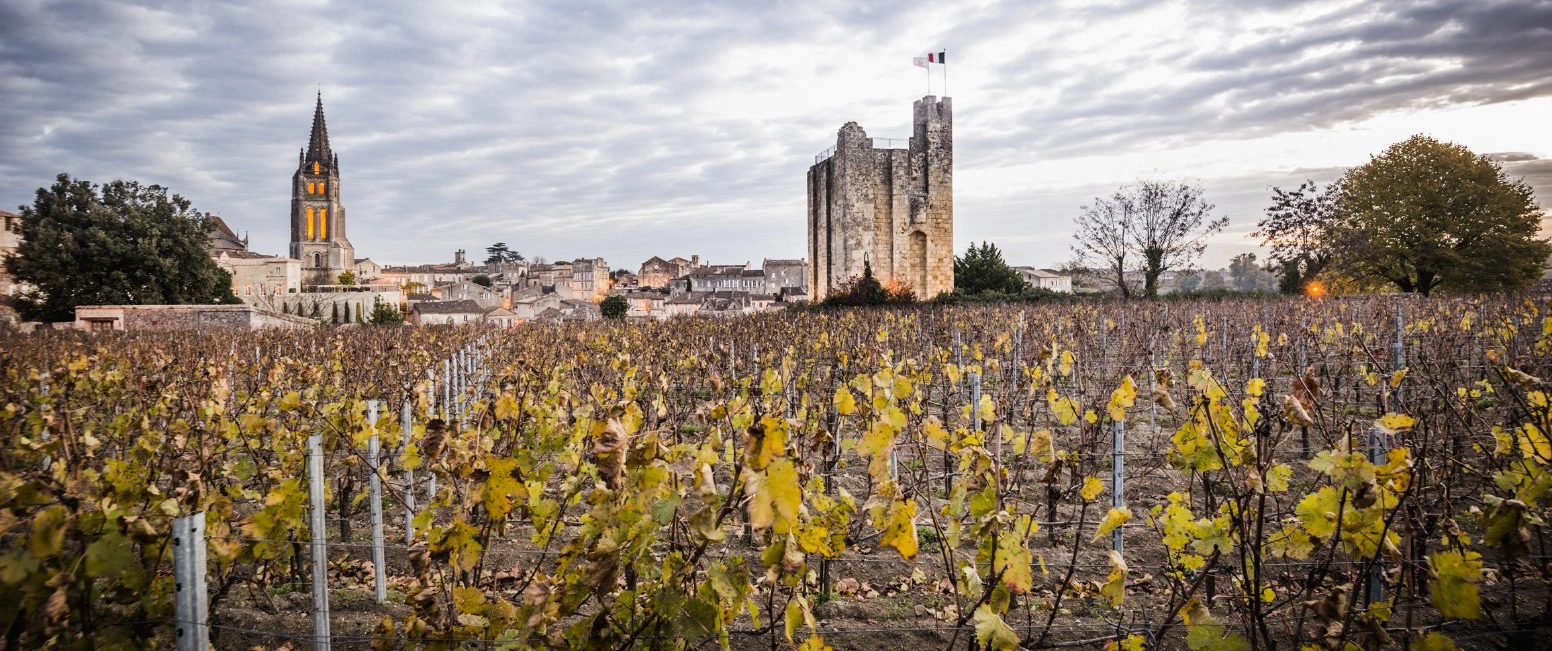
What to do in Bordeaux? Follow a chef through the Golden Triangle to understand how oysters, foie gras, caviar, and Southwest specialties move from producers to shops and contemporary tables. Read the city’s Atlantic past through quays, façades, street names, plaques, and memorials tied to the slave trade. Decode Bordeaux’s built identity across both banks of the Garonne, from Gothic traces to Art Deco and contemporary architecture. Wine can stay in the city, with a vaulted-cellar masterclass on appellation, blending, vintage, and classification, or lead outward to Saint-Émilion’s underground monuments and classified châteaux. A different route follows Gironde villages through markets, rural history, and the everyday life of smaller communities.
How long should I stay in Bordeaux? Three days is a good first stay in Bordeaux, enough to understand the city through its riverfront, port history, architecture, wine culture, and food scene. With four or five days, the region opens up further: you can add working wine estates, spend time with producers, and use the city as a base for nearby vineyard areas without making the trip feel rushed.
Paris
What to do in Paris? In Paris, Fernwayer works through places that are familiar but rarely read in the same way twice. Notre-Dame and Sainte-Chapelle become a study of medieval power, faith, and architecture with a historian. The Marais is explored through the memory of a guide born there, while the city’s darker wartime history unfolds with a novelist and Holocaust studies expert. Other experiences move into contemporary galleries with an art dealer, follow street life through photography, or enter a chef’s own home for a Parisian brunch, keeping Paris close to the people who study, make, photograph, and cook in it.
How long should I stay in Paris? Four to five days is a realistic first stay in Paris, enough to combine major museums, monuments, historic neighborhoods, meals, and one or two guided experiences without compressing the city into a checklist. With a full week, you can vary the rhythm: spend more time in individual neighborhoods, add a deeper historical or artistic focus, and dedicate a day to Versailles while keeping enough time for Paris itself.
Provence
What to do in Provence? Read the Luberon through ochre, stone villages, Roman infrastructure, and Renaissance architecture, from Roussillon and Gordes to Pont Julien and Château de Lourmarin. Follow Van Gogh between Saint-Rémy and Arles through the places where painting, Roman heritage, and Provençal light overlap. Take the coast through Marseille, Cassis, the Calanques, with the landscape understood beyond the postcard view. Enter Provençal food through the Aix market, then into estates where organic vineyards and contemporary art share working ground. Wine can deepen in Châteauneuf-du-Pape through family cellars, progressive tastings, and the thirteen grapes that define the appellation.
How long should I stay in Provence? Five to seven days suits Provence well, because the region is best understood through movement between towns, countryside, and historic sites. A shorter stay can focus on one base such as Aix or Avignon, with selected day visits nearby. With a full week, you can connect the Luberon, Châteauneuf-du-Pape, Saint-Rémy, Arles, and the Camargue at a more considered pace.
THE FRANCE LOOKBOOK: CURATED ITINERARIES
Plan your tour of France with Fernwayer's Journeys − curated itineraries that blend high-end guided experiences with opportunities to explore independently. Take inspiration from our expertly designed trips and book your favorite experiences directly from the itineraries. By downloading the Fernwayer iOS app, you can save and modify each itinerary to your needs.

WHEN TO GO
FREQUENTLY ASKED QUESTIONS
What is the best time of year to visit France? Spring and early fall are usually the best times to visit France, with milder weather, longer days, and fewer crowds than the height of summer. Summer can be wonderful for regions such as Provence, but major cities are busiest in July and August. Winter works well for Paris if you want museums, restaurants, and a more urban trip with fewer visitors.
How many days do you need for a trip to France? Ten days is a good minimum for a first trip if you want to combine more than one part of the country without rushing. A week is enough for one city and its surrounding region, while two weeks gives you time to pair Paris with another region and still travel at a reasonable pace.
What is the best way to travel between French cities? For most trips between major French cities, the train is the best option. France’s rail network connects the main urban centers efficiently, with TGV and Intercités covering long distances and TER trains serving regional routes. For more remote rural areas, you may need a car for the final stretch, especially outside the main rail corridors.
How do I avoid tourist traps in popular French cities? The safest rule is to be wary of places built entirely around passing visitors. Build your trip around context, not just landmarks: connecting with local people can change how a place reads. In Paris, it usually pays to walk a few streets away from the main sights, check whether a place is used by locals as well as visitors, and choose neighborhoods with a real daily life rather than staying only around major landmarks.
Can I use my credit card everywhere in France, or do I need cash? You can use credit cards in most hotels, restaurants, and larger shops, and ATMs are widely available. Still, it is wise to carry some cash for markets, small local businesses, or minor purchases, especially outside the biggest cities.
What are the must-try regional foods in France? That depends on where you go, which is exactly the point. In Paris, you can think in terms of bistro cooking, pastries, and market produce. In Bordeaux, wine culture naturally shapes the table, alongside dishes tied to the Southwest. In Provence, olive oil, herbs, vegetables, seafood, and lighter Mediterranean cooking define the region. France is best approached region by region.
Is France safe for tourists? France is generally safe for tourists, but you should take the same precautions you would in any major destination. In big cities, the main issues are usually pickpocketing and petty theft rather than violent crime. It is also important to carry identification, as foreign visitors may be asked to show a passport or national ID card.
Do I need to speak French to travel in France? No, especially in major cities and established tourism areas. You can travel comfortably with English in many hotels, museums, and restaurants. That said, France is easier and often warmer if you know a few basics in French, especially outside Paris or in smaller regional towns.
Is there a dress code for restaurants in France? Usually no formal dress code, but context matters. In casual cafés and bistros, everyday dress is fine. In more traditional or high-end restaurants, people tend to dress with more care, and very casual beachwear or sportswear can feel out of place. France is less about strict rules than about reading the room.
Do I need a visa to travel to France? France is part of the Schengen Area, and for short stays the standard rule is up to 90 days within any 180-day period. Many travelers do not need a visa for short tourist visits, but others do, so the safest approach is to check directly through the official France-Visas website before booking.
FERNWAYER
We are reimagining luxury in travel as authentic connection, immersive storytelling, rare access, and a spirit of curiosity through curated, exclusive, and hard-to-arrange experiences.