

Fernwayer's Best of Mexico
From Mexico City’s vast cultural layers to Oaxaca’s traditions and regional identity, Mexico is shaped by Indigenous heritage, artistry, and strong local character. The best of the country lies in its depth and diversity.
Mexico’s cultural identity is layered, vibrant, and deeply rooted in centuries of history. From the grandeur of ancient civilizations such as the Aztecs and Maya, to colonial cities such as Oaxaca and San Miguel de Allende with dynamic contemporary culture, the country offers one of the richest travel experiences in the Americas. Visitors encounter a living heritage shaped by Indigenous traditions, Spanish colonial influence, and a flourishing modern creative scene. Across Mexico’s cities, art, architecture, music, and cuisine are inseparable from daily life. Bustling markets, elegant plazas, baroque churches, and colorful neighborhoods coexist with world-class museums and innovative gastronomy. Whether exploring the vast cultural capital of Mexico City, the textile and craft traditions of Oaxaca, or the refined colonial beauty of Mérida, Mexico rewards travelers with a sense of place that is both deeply historic and vividly alive.

MEXICO HIGHLIGHTS
Mexico’s culture is best experienced through the people who keep its traditions vibrant. Across Mexico City, Guadalajara, Oaxaca de Juárez, San Miguel de Allende, and Mérida, Fernwayer’s hosts open doors to stories and places that most travelers never encounter. Walk through historic markets with chefs who explain the ingredients behind regional cuisine, or explore architecture and cultural heritage with historians and artists who shape the cities themselves. From discovering the culinary traditions of Oaxaca to understanding the design and artistic movements that define Mexico City with a local curator, these curated experiences connect travelers directly with local expertise and culture. Through private access, thoughtful storytelling, and personal introductions, Fernwayer reveals Mexico not just as a destination, but as a living cultural landscape.
I highly recommend the experience.
- Leila G.
The Frida Kahlo house itself is full of treasures, particularly if Frida's life intrigues you.
- Andrew A.
What a special, fun, and sustainable practice that I'll definitely continue back home.
- McHenroe G.
His knowledge of the area and the pyramids was exactly what we were hoping for when we booked.
- Dale S.
OUR MEXICO DESTINATIONS

Guadalajara

Perhaps the most recognizably Mexican of Mexican cities. Home to the unmissable UNESCO World Heritage site, the Hospicio Cabañas, Guadalajara is also the best place to discover Jalisco’s tequila fields, charros culture, Mariachi, and breathtaking natural landscapes.
Mérida
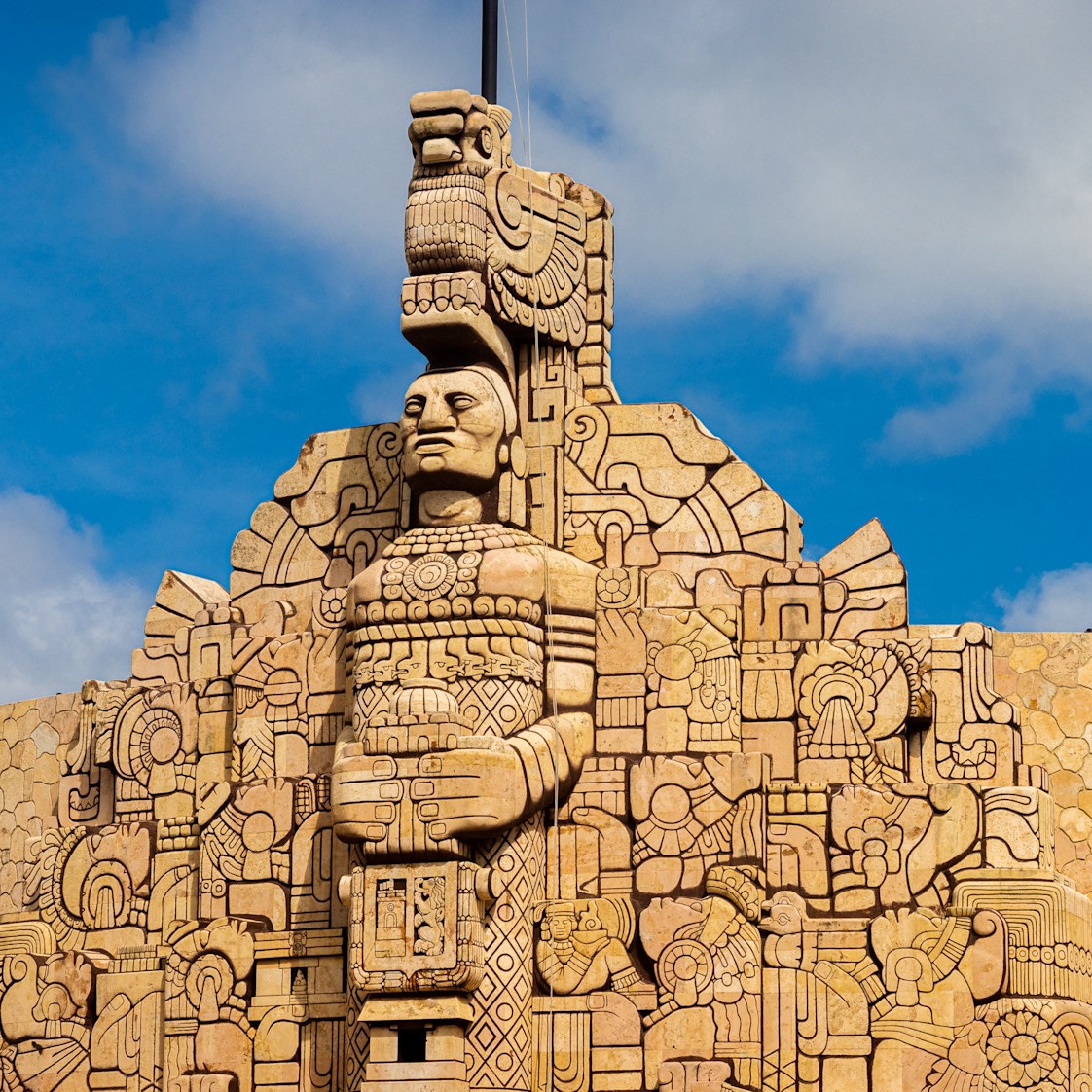
Mérida is the vibrant capital of Mexico's Yucatán state, known as the "White City" for its elegant colonial architecture. A gateway to ancient Maya ruins, it blends indigenous and Spanish heritage through its bustling markets, world-class gastronomy, lively plazas, and a rich calendar of free cultural events and music.
See all Mérida tours.
Mexico City
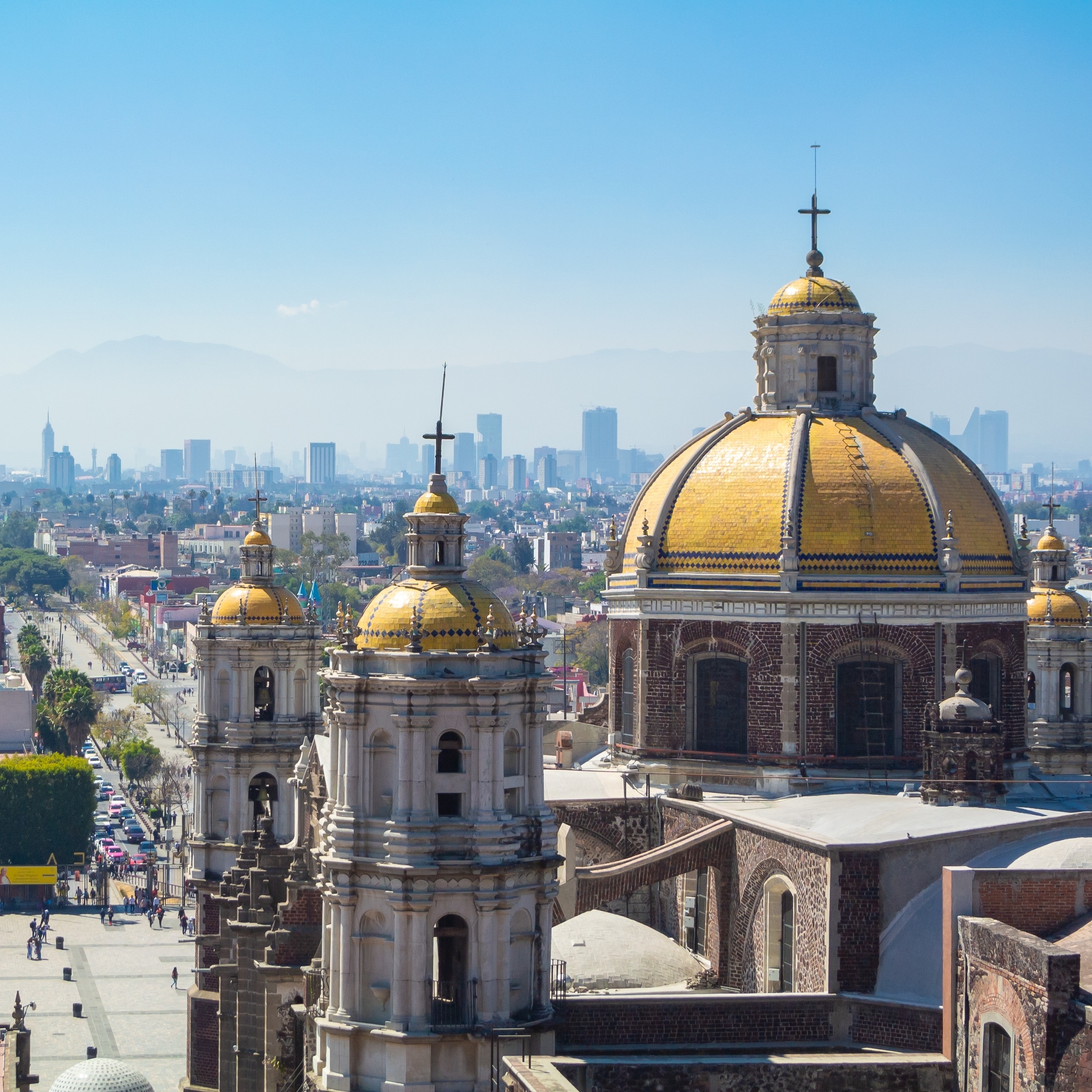
A sprawling city of over 9 million people, Mexico City is not only the epicenter of the country, but is also one of the most important capitals in the Americas. Here, Aztec ruins sit alongside colonial palaces, and is where you’ll find some of Mexico’s most important museums, a vivid food scene from street vendors to Michelin restaurants, and exciting contemporary art and culture.
Oaxaca
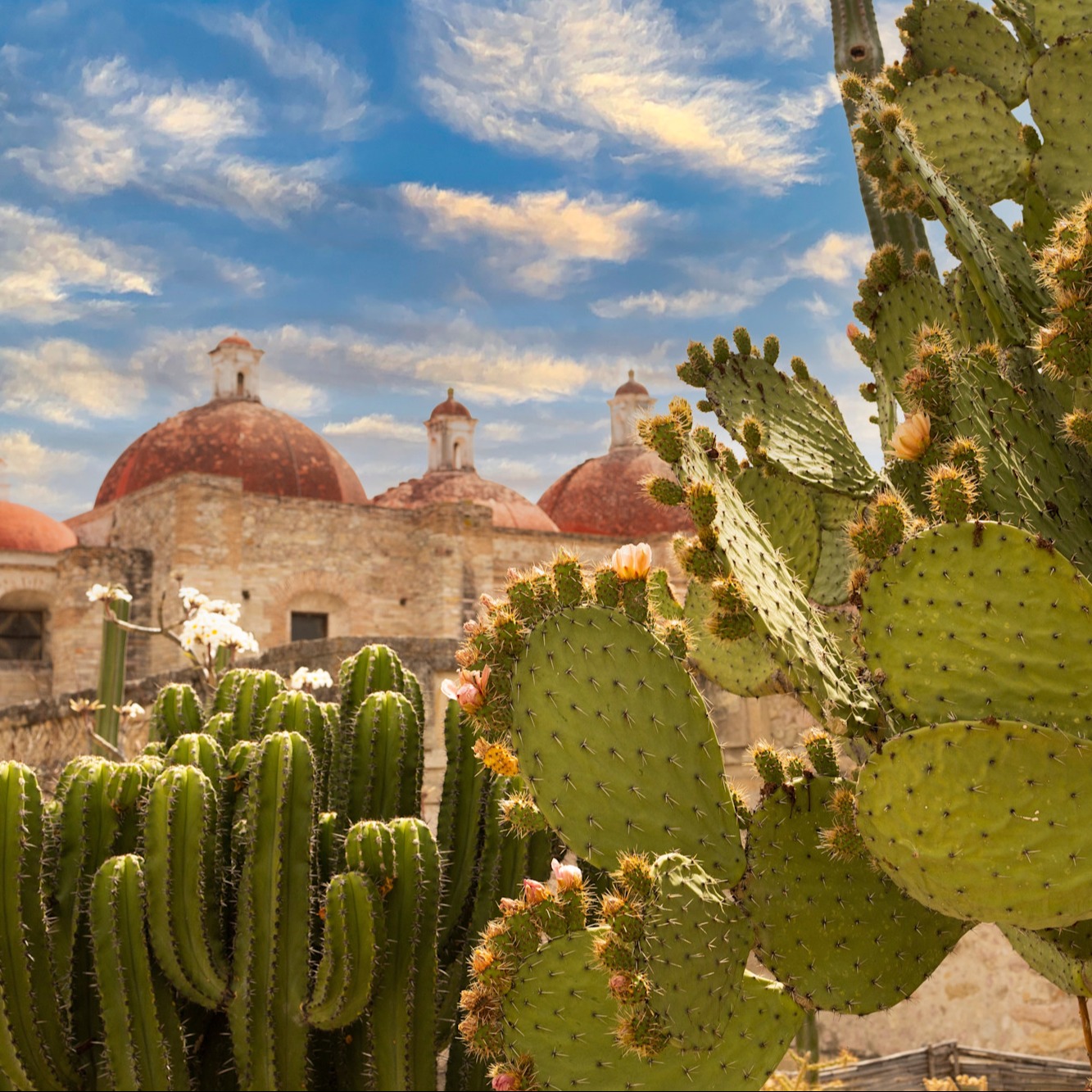
Oaxaca’s Historic Centre, composed of colorful colonial architecture, is itself a UNESCO Heritage Site, proof of the city’s historical importance. In the city you’ll find some of the country’s best street food, a vibrant printed art culture, and plenty of celebratory processions. The state is defined by continued strong influence of its Indigenous communities and artisan crafts.
See all Oaxaca tours.
San Miguel de Allende
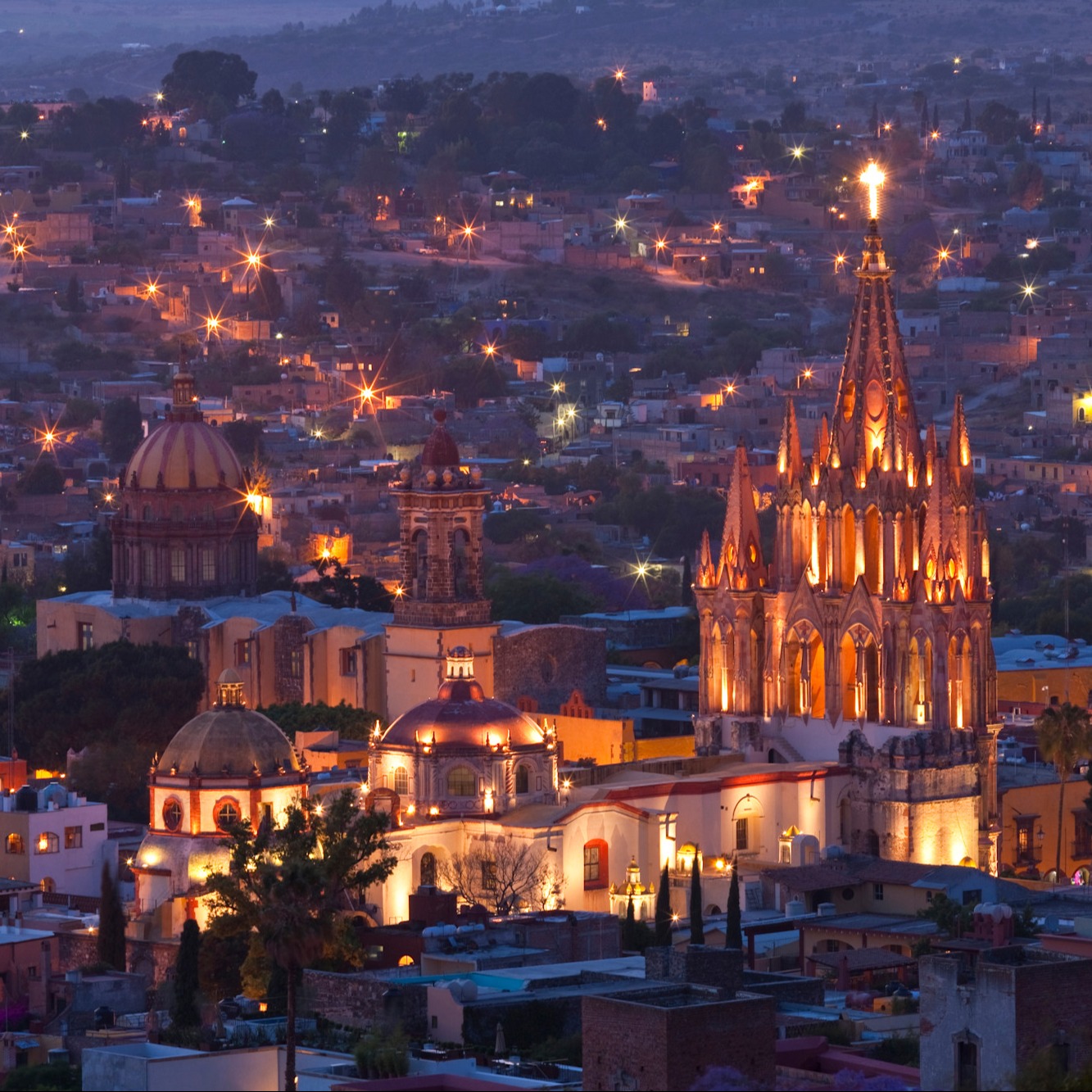
San Miguel de Allende is a beautifully preserved colonial city in central Mexico, renowned for its baroque architecture, cobblestone streets, and vibrant arts scene. A UNESCO World Heritage Site, it draws artists, expats, and travellers alike with its colourful buildings, thriving restaurant culture, and lively calendar of festivals and celebrations.
See all San Miguel tours.
Coming Soon: Sonora
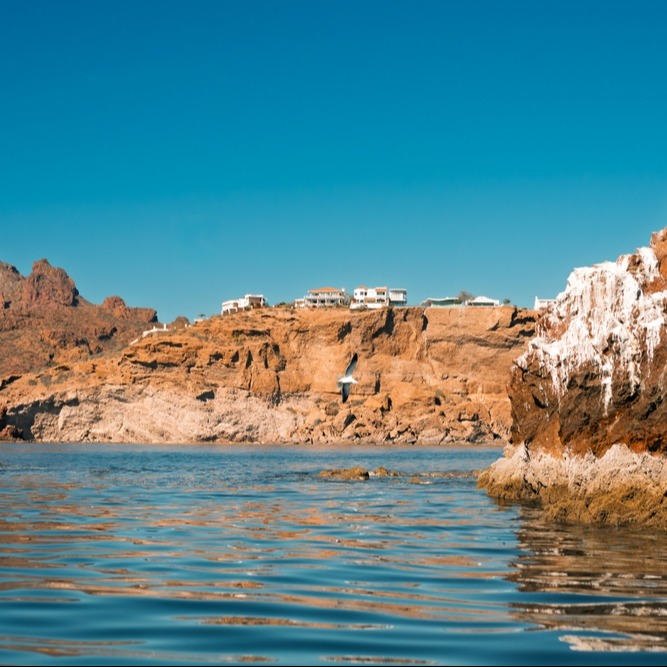
The northwestern Mexican state of Sonora has mountains in the east, vast deserts in its west, and stunning maritime ecosystems along its Gulf of California coastline. Various Indigenous groups, such as the Guarijío, Yaqui, Mayo and Seri, have distinctive cultural and artistic practices impacted by their relationship to the region's diverse geography. A site of Indigenous resistance, and a flashpoint for the Mexican Revolution, Sonora has in recent decades become an industrial powerhouse.
FERNWAYER'S THINGS TO DO IN MEXICO
For cultural adventurers, Mexico City is your gateway into the country, with world-class museums such as the Anthropology Museum, and boasting treasures such as the Aztec canals of Xochimilco. Further north, Guadalajara and the State of Jalisco are home to the stereotypes of Mexican culture: mariachi, charros, tequila. But the stereotypes are more complicated than travelers think, and the region is home to both cultural and biodiversity. San Miguel de Allende was essentially founded as a tourist destination, and remains one of Mexico’s most popular. It works particularly well as a starting point for exploring the region known best as the birthplace of the Mexican Revolution. In Oaxaca, Indigenous cultures remain at the fore, both downtown in the markets and craft stores, but also nearby, at archaeological sites such as Mitla and Monte Albán. Mérida is your gateway to the Yucatán peninsula and a window into the Mayan world.
Guadalajara
What to do in Guadalajara? Explore the volcanic valleys west of Guadalajara, in the shadow of the Tequila Volcano, a UNESCO World Heritage site, with an anthropologist whose research and work have taken him across Mexico and South America. Traces the artistic and spiritual legacy of muralist José Clemente Orozco, and uncover the symbolic language behind his compositions. Lowlands agave fields, artisanal distilleries, and premium tastings are combined in a day-long experience designed for substance, authenticity and comfortable pacing. Guadalajara’s contemporary design, culture and cuisine are brought to light in a guided walk through Guadalajara’s most vibrant quarters, Chapu and Americana, thanks to your local fashion artist host. In a walking tour of the city’s 16th-century churches, you’ll discover the centrality of faith in local history and architecture. This is a vivid look at the foundations — spiritual and architectural — of Guadalajara’s history. The nearby Lake Chapala is Mexico’s largest freshwater lake and a vital ecological and cultural landmark. Surrounded by mountains, the lake offers stunning natural beauty, a mild climate, and charming lakeside towns. In a day tour, your host — a Jalisco native with extensive knowledge of the region — will provide context and history, ranging from the area's indigenous roots to its contemporary cultural expressions.
See all Guadalajara Experiences
How long should I stay in Guadalajara? Guadalajara, the cultural heart of western Mexico, can be comfortably explored in two to three days, enough time to experience its historic plazas, cathedral, and vibrant arts scene. Travelers can explore the elegant neighborhoods of Lafayette and Americana, visit museums dedicated to regional history, and discover the city’s lively food culture. With four to five days, Guadalajara becomes a gateway to the traditions that define Mexican identity. Day trips lead to the town of Tequila, birthplace of the iconic spirit and surrounded by agave landscapes recognized by UNESCO, as well as to the artisan villages of Tlaquepaque and Tonalá, known for ceramics and handicrafts. Adding extra time allows travelers to enjoy the region’s mariachi heritage, which originated here and remains central to the city’s cultural life.
Mérida
What to do in Mérida? A unique downtown archaeology tour in Mérida explores Maya remains embedded in the historic center, a place where past and present coexist. You’re guided by a journalist and trained archaeologist who designs experiences that connect travelers with the land and people of the Yucatán Peninsula. Uxmal, a UNESCO World Heritage site and best-known city of the Puuc region, is combined with the lesser-known Maya site of Sayil and a lunch and cenote visit in a complete day trip. An off-the-beaten-track archaeological experience is perfect for travelers who want to explore lesser-known Maya heritage sites in the Yucatán. For your first day in Mérida, an orientation tour shows how the city is built of layers of Maya, colonial, and contemporary influences.
How long should I stay in Mérida? Mérida, the elegant capital of Mexico’s Yucatán Peninsula, can be explored in two to three days, allowing time to experience its colonial boulevards, historic mansions, lively plazas, and vibrant markets. The city’s cultural life is especially active in the evenings, when music, dance, and community events fill the central squares. With four to five days, Mérida becomes an ideal base for exploring the region’s remarkable heritage. Travelers can visit nearby Mayan archaeological sites such as Uxmal, swim in natural limestone cenotes scattered throughout the countryside, and explore the colorful coastal town of Progreso. The surrounding region also offers exceptional Yucatecan cuisine and traditional villages where Maya culture continues to shape daily life.
Mexico City
With a Mexican linguist dedicated to the conservation and promotion of Nahua heritage, archaeology with active cultural immersion are combined in an experience which brings you closer to local Indigenous heritage. A welcoming photographer and guide shows you Ciudad Universitaria from the inside out. As well as exploring this cultural landmark designed in the 1950s as a bold statement of post-revolutionary Mexico, your host will capture you in a series of natural, well-composed photos. Explore Teotihuacan, Mexico’s iconic pyramids, in a thoughtful early-morning tour designed for comfort and connection. A cultural tour to the Frida Kahlo Museum and Diego Rivera’s Anahuacalli Museum, hosted by art historians and curators with over fifteen years of experience in museums, galleries, and cultural spaces, brings these two legendary artists to life. Board a cayuco for a two-hour canoeing adventure through ancestral canals and the man-made farm islands known as chinampas, in use for over a thousand years, with hosts committed to wetland biodiversity and the chinampa tradition. See how street food functions in everyday neighborhood life with a food and travel writer who has lived in Mexico City for 20 years. In a private mezcal tasting hosted by local musicians and storytellers, the spirit is blended with live music and personal narratives.
See all Mexico City Experiences
How long should I stay in Mexico City? Mexico City rewards time and curiosity. A minimum of four days allows visitors to experience the city’s essential highlights: the historic center and its grand colonial architecture, the National Museum of Anthropology, the canals of Xochimilco, and the artistic neighborhoods of Roma and Condesa. With five to seven days, travelers can dive deeper into its extraordinary cultural layers — from contemporary galleries and chef-driven restaurants to the home and studio of Frida Kahlo in Coyoacán. The city also serves as a gateway to remarkable day trips, including the ancient pyramids of Teotihuacán, the colonial silver city of Taxco, and the colorful canals and gardens of Xochimilco. Mexico City’s festivals, art scene, and culinary innovation make it a destination where many visitors happily extend their stay.
Oaxaca de Juarez
What to do in Oaxaca de Juarez? Visit bustling markets and meet generations of street vendors, while tasting everything from tacos and tamales to tlayudas, in a breakfast food tour. Go beyond typical museum texts and archaeological sites and discover living Zapotec culture, immersed in regional history and tradition from the perspective of indigenous locals. A short guided hike, compliant with local Indigenous law for this protected area and hosted by a long-time Oaxaca resident with strong connections to this community, takes you to a series of caves featuring rustic paintings and traces of human habitation dating back over 10,000 years. An extensive private tour to visit natural silk artisans offers rare access to a master artisan family, their home workshop, property and their extraordinary craftsmanship. During a full-day experience into the hinterland surrounding the colonial city, you’ll enjoy an in-depth exploration of the whole mezcal production process and agave culture, in an experience hosted by licensed guides with backgrounds in anthropology and philosophy.
See all Oaxaca de Juarez experiences
How long should I stay in Oaxaca de Juárez? Oaxaca de Juárez is one of Mexico’s most culturally rich destinations, where three to four days allows visitors to experience the historic center, vibrant markets, and extraordinary regional cuisine. Travelers can explore colonial churches, artisan workshops, and the city’s thriving contemporary art scene. With five to six days, Oaxaca reveals its deeper cultural layers. Nearby archaeological sites such as Monte Albán offer insight into ancient Zapotec civilization, while villages in the surrounding valleys specialize in traditional crafts like weaving, pottery, and wood carving. Culinary travelers often dedicate additional time to Oaxaca’s celebrated food culture, including mole traditions, mezcal distilleries, and seasonal festivals. The city’s pace invites slow exploration, with colorful streets, courtyard cafés, and lively markets making every day rewarding.
San Miguel de Allende
What to do in San Miguel de Allende? An active gastronomy researcher and passionate storyteller of Mexican cuisine, invites you to explore the city’s lively markets, traditional restaurants, neighborhood kitchens, and the authentic family-run eateries locals visit daily. Take a day trip from San Miguel to Atotonilco and Dolores Hidalgo, where you’ll explore faith, art, and independence at sites such as Santuario de Jesús Nazareno de Atotonilco, a UNESCO World Heritage site known for 18th-century murals. In nearby Guanajuato, a city shaped as much by geology as by history, a local guide and historian guides you through its underground tunnels, the San Gabriel Barrera hacienda, and the Diego Rivera Museum. A twilight gourmet dinner tour in San Miguel features five tasting stops, encounters with local chefs, and candlelit streets.
See all San Miguel de Allende Experiences
How long should I stay in San Miguel de Allende? San Miguel de Allende’s elegant colonial architecture and vibrant arts community make it ideal for a two to three day stay. This allows time to explore the historic center, admire the pink spires of the Parroquia de San Miguel Arcángel, and wander through galleries, artisan boutiques, and leafy plazas. With four to five days, travelers can settle into the city’s relaxed rhythm while discovering its creative community, culinary scene, and surrounding countryside. Day trips lead to nearby vineyards in the Guanajuato wine region, historic haciendas, and the colorful city of Guanajuato itself. Festivals, music performances, and art events frequently animate San Miguel’s calendar, making it a destination where visitors often stay longer than planned.

THE MEXICO LOOKBOOK: CURATED ITINERARIES
Plan your tour of Mexico with Fernwayer's Journeys − curated itineraries that blend high-end guided experiences with opportunities to explore independently. Take inspiration from our expertly designed trips and book your favorite experiences directly from the itineraries. By downloading the Fernwayer iOS app, you can save and modify each itinerary to your needs.
WHEN TO GO
JAN
Mérida Fest celebrates Mérida’s founding with concerts and performances

JAN
Mérida Fest celebrates Mérida’s founding with concerts and performances
JUN
Stars and directors gather for the Guadalajara Film Festival

JUN
Stars and directors gather for the Guadalajara Film Festival
JUL
Guelaguetza, Oaxaca’s most famous cultural celebration takes place.

JUL
Guelaguetza, Oaxaca’s most famous cultural celebration takes place.
SEP
The Encuentro Internacional del Mariachi y Charrería in Guadalajara starts.

SEP
The Encuentro Internacional del Mariachi y Charrería in Guadalajara starts.
OCT
Festival Cervantino, San Miguel de Allende's major arts festival

OCT
Festival Cervantino, San Miguel de Allende's major arts festival
NOV
Day of the Dead celebrations all over Mexico.

NOV
Day of the Dead celebrations all over Mexico.
FREQUENTLY ASKED QUESTIONS
When is the best time of the year to visit Mexico? How should I get around Mexico? Can Fernwayer organize the entire trip for me? Is Mexico a safe country to travel to? What should I pack for a trip to Mexico? Do I need a visa to travel around Mexico?
What is the best time of year to visit Mexico? Mexico can be visited year-round, but the most comfortable seasons are typically November through April, when temperatures are mild and rainfall is minimal in many regions. These months are especially pleasant for exploring cities such as Mexico City, Oaxaca, and San Miguel de Allende. Spring brings blooming jacaranda trees and vibrant festivals, while late autumn includes celebrations such as Día de los Muertos, particularly meaningful in Oaxaca. Summer and early autumn are warmer and can bring seasonal rains, especially in central and southern Mexico, but they also offer lush landscapes and fewer international visitors. Coastal areas remain warm throughout the year. Travelers interested in cultural events, culinary festivals, and local traditions often plan trips around regional celebrations.
How many days do you need for a trip? A first journey to Mexico is ideally 10 to 14 days, allowing time to experience several distinct regions without rushing. Travelers often begin in Mexico City to explore its museums, architecture, and culinary scene, then continue to culturally rich destinations such as Oaxaca or San Miguel de Allende. Adding Mérida introduces the heritage of the Yucatán Peninsula and access to ancient Maya sites. Each destination rewards at least two to three nights, giving visitors time to enjoy guided experiences, explore neighborhoods, and discover local cuisine. Travelers who prefer a slower pace often spend a full week in one region, particularly in culturally rich areas such as Oaxaca, where markets, villages, and culinary traditions invite deeper exploration.
Where should I visit if I only have one week in Mexico? What about two? If you have only one week in Mexico, base yourself in Mexico City, the country’s most popular destination and a cultural powerhouse. Its world-class museums, vibrant food scene, and layered history make it the ideal introduction to Mexico. Spend your days exploring the Zócalo, tasting street food in Roma and Condesa, and wandering through the Museo Nacional de Antropología, arguably the best place to understand Mexico’s Indigenous heritage. Add a day trip to Teotihuacán to climb the ancient pyramids and you’ll leave with a rich sense of the country’s past and present.
With two or three weeks, expand your trip to include Oaxaca and Guadalajara, two cities that offer distinct cultural identities. Oaxaca is Mexico’s artistic soul: a hub for traditional crafts, colorful markets, and some of the country’s most celebrated cuisine, from mole to mezcal. Its streets feel like a living gallery, and Zapotec heritage deepens the cultural experience. After exploring the history and culture of Oaxaca de Juárez, you may want to make the relatively short trip to Puerto Escondido, a relaxed Pacific surf town centered on beaches and ocean life.
Guadalajara, on the other hand, blends tradition with modern creativity. It’s the birthplace of mariachi music and tequila, yet it also hosts a thriving art scene, including José Orozco’s legendary murals at the Museo Cabañas, and dynamic neighborhoods filled with cafés, galleries, and design shops. Guadalajara is also a good starting point for day trips through Jalisco, such as to Lake Chapala and the Guachimontones pyramids. Puerto Vallarta, the other very popular destination in Jalisco, is a coastal resort city known for its beaches and relaxed, tropical vibe, while Guadalajara is an inland cultural hub celebrated for its arts, traditions, and vibrant urban energy. What is the best way to travel between cities? For many routes within Mexico, domestic flights provide the fastest and most efficient option, particularly between distant regions such as central Mexico and the Yucatán Peninsula. Mexico City, Guadalajara, and Mérida are all well connected by frequent flights. For shorter regional journeys, private drivers or comfortable intercity buses offer a relaxed and scenic alternative. Driving between destinations such as San Miguel de Allende, Guanajuato, and nearby vineyards can be especially rewarding, allowing travelers to explore rural landscapes and smaller towns along the way. Within cities, rideshare services and private transportation are widely available and convenient. Combining flights for longer distances with private transfers for regional exploration offers both comfort and flexibility. How do I avoid tourist traps in popular cities? The best way to avoid tourist traps is to prioritize local expertise and explore beyond the busiest streets. In popular destinations such as Mexico City or San Miguel de Allende, restaurants with aggressive street promoters or generic international menus are often designed primarily for visitors. Instead, seek out neighborhoods where locals dine and shop. Guided experiences with knowledgeable hosts can also lead travelers to hidden markets, artisan studios, and family-run restaurants that reflect authentic regional culture. Visiting major landmarks early in the morning or later in the afternoon can help avoid crowds. Markets, smaller museums, and residential neighborhoods often provide the most memorable cultural encounters. Can I use my credit card everywhere, or do I need cash? Credit cards are widely accepted in major cities, hotels, and restaurants, particularly in destinations such as Mexico City, Guadalajara, and Mérida. Visa and Mastercard are generally the most reliable options. However, carrying some cash in Mexican pesos is advisable for smaller purchases, taxis, local markets, street food stalls, and artisan shops. In smaller towns or traditional markets, cash remains the preferred payment method. ATMs are widely available in cities and tourist areas, making it easy to withdraw local currency when needed. Having smaller bills can also be helpful for tipping, small vendors, and quick purchases. What are the must-try regional foods? Mexican cuisine is extraordinarily diverse, with each region offering distinctive specialties. In Mexico City, visitors can explore everything from refined contemporary Mexican cuisine to classic street foods such as tacos al pastor. Oaxaca is famous for its complex mole sauces, handmade tortillas, tlayudas, and mezcal. Guadalajara is known for dishes such as birria and tortas ahogadas, while the Yucatán Peninsula offers unique flavors shaped by Maya traditions, including cochinita pibil and sopa de lima. Markets play a central role in Mexican food culture, showcasing regional ingredients, spices, and fresh produce. Culinary tours, cooking classes, and market visits offer an ideal introduction to the country’s remarkable gastronomic heritage. Is Mexico safe for tourists? Many parts of Mexico are welcoming and widely visited by international travelers, particularly cultural destinations such as Mexico City, Oaxaca, San Miguel de Allende, Guadalajara, and Mérida. As in any large country, safety varies by region, and travelers benefit from staying informed and following common-sense precautions. In major tourist areas, concerns are typically limited to petty crime such as pickpocketing in crowded places. Choosing reputable transportation, avoiding isolated areas at night, and keeping valuables secure are sensible practices. Many visitors find Mexico’s hospitality and community atmosphere to be among the most memorable aspects of their trip. Consulting local hosts, guides, or hotel staff can also provide helpful advice during a stay. Do I need to speak Spanish to travel? Speaking Spanish is helpful but not essential for most travelers. In major destinations such as Mexico City, San Miguel de Allende, and Mérida, English is commonly spoken in hotels, restaurants, and tourism services. However, learning a few simple Spanish phrases can enhance interactions and demonstrate cultural respect. Even basic greetings or expressions of thanks often lead to warmer exchanges with locals. In markets, smaller shops, or rural areas, Spanish may be more widely used, but communication is usually possible through gestures and patience. Many travelers find that making an effort with the language enriches their overall experience. Is there a dress code for visiting churches or other sites? When visiting churches, religious sites, or historic monuments, modest attire is recommended. Clothing that covers shoulders and avoids very short shorts or skirts is generally appropriate. Lightweight fabrics such as linen or cotton are comfortable in Mexico’s warm climate while still meeting cultural expectations. Hats and sunglasses are useful outdoors but are typically removed when entering churches. While most cultural sites are relaxed in their dress expectations, showing respect through modest clothing is appreciated and helps visitors feel comfortable in traditional settings. Do I need a visa to travel? Many travelers, including those from the United States, Canada, the United Kingdom, and most European countries, can visit Mexico visa-free for tourism for up to 180 days. Visitors must have a valid passport and may be required to complete a tourist entry form upon arrival. Requirements can vary depending on nationality, so travelers should confirm the latest regulations before departure. Those planning longer stays, business activities, or residency will need to apply for the appropriate visa through a Mexican consulate. Airlines and immigration officials may also request proof of onward travel and accommodation details.
FERNWAYER
We are reimagining luxury in travel as authentic connection, immersive storytelling, rare access, and a spirit of curiosity through curated, exclusive, and hard-to-arrange experiences.