

Best of Japan
From Tokyo’s contemporary rhythm to Kyoto’s temples and Osaka’s culinary culture, Japan balances precision, ritual, and innovation. The best of the country lies in how its cities and traditions coexist.
Japan was isolated from the rest of the world for nearly three centuries, almost twice as long as the time period since it rejoined the global community in 1868. Perhaps this lends to the mystique of a country that is seemingly paradoxical in its embrace of both traditions and technology, the spiritual and the scientific. For this reason, Japan offers unique experiences for everyone, regardless of interests.

JAPAN HIGHLIGHTS
Like microcosms of Japan itself, Fernwayer’s Japan experiences often blend elements of the old and new, the spiritual and the secular. City overviews like “Tokyo: Cut to Scene” bounce between the serene worlds of shrines and temples and the eclectic, sometimes chaotic atmospheres of neighborhoods like Shibuya and Harajuku. Other experiences explore not just the roots of traditional arts and crafts, but how they are practiced and connected to modern life. Our goal is to help you peel back the layers of Japanese culture to discover the whys and hows of its development.
It was a genuine glimpse into evening life in Tokyo, shared through conversation and friendship.
- Alok S.
It felt like a genuinely special chef's table, but without any stuffiness.
- Vinitaa J.
The beautifully adorned temple room sets the stage for this wonderful experience.
- Todd F.
He introduced me to ten hidden gems, offering a deep dive into Japanese food culture.
- Ayumi I.
OUR JAPAN DESTINATIONS

Kyoto
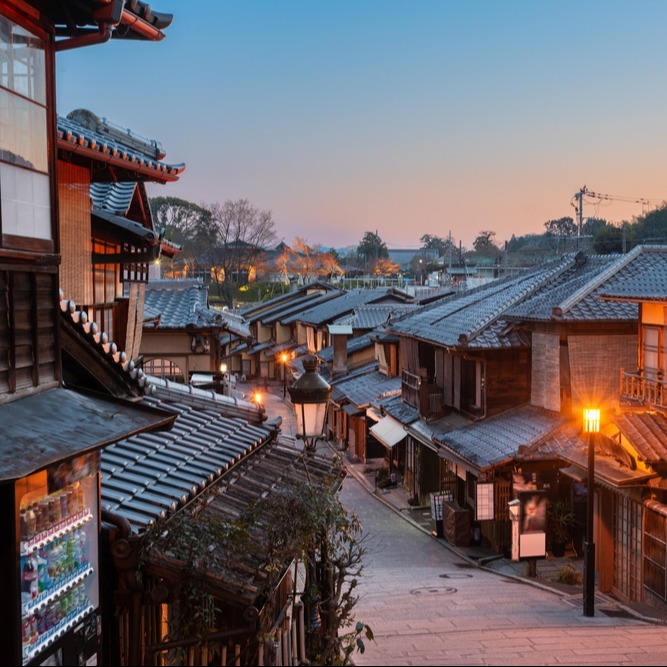
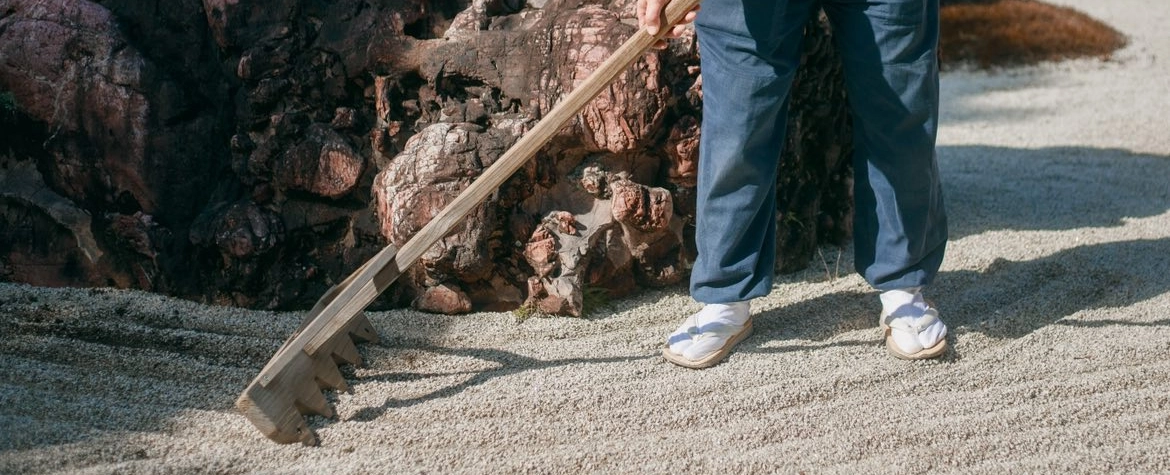
Kyoto is often recognised for its temple gardens and the fleeting image of geiko moving through the lanes of Gion. Its true character lives in the early hours, when the city moves at the rhythm of tofu makers drawing water from ancient wells, machiya shopfronts opening quietly and monks raking gravel in gardens that have held the same form for centuries. Beyond the heritage sites that draw visitors in every season, the city reveals a world shaped by imperial patronage, Buddhist scholarship and a culture of refinement so embedded it surfaces in the wrapping of a gift as readily as in a tea ceremony. Between the textile workshops of Nishijin, the ceramics of Kiyomizuyaki, the moss gardens of the western hills and the rural calm of Ohara and Kurama, Kyoto offers a civilisation still quietly practised rather than merely preserved.
Osaka
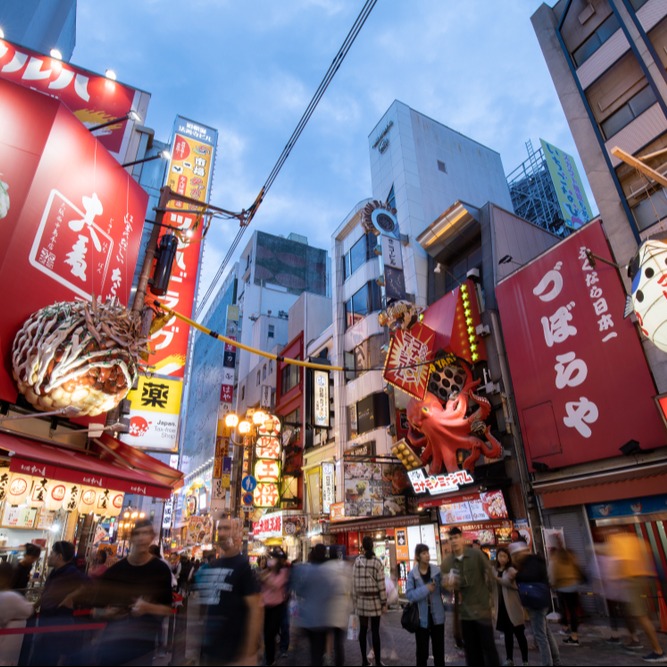
Osaka is often recognised for its castle and the neon-lit energy of Dotonbori. Its true character lives in the early hours, when the city moves at the rhythm of wholesale dealers in the Kuromon market, kushikatsu cooks preparing their first batches and the old commercial spirit of a merchant city stirring well before the crowds arrive. Beyond the food reputation and the celebrated directness of its people that draw visitors, the city reveals a world shaped by centuries as Japan's trading capital, producing a culture more pragmatic, more generous at the table and less concerned with appearances than almost anywhere else in the country. Between the old wholesale district of Semba, the working ferry landings of the Okawa river, the neighbourhood shotengai of Tengachaya and the quiet backstreets behind Shinsekai, Osaka offers a warmth and an earthiness that feels like a different register of Japanese urban life entirely.
Kanazawa
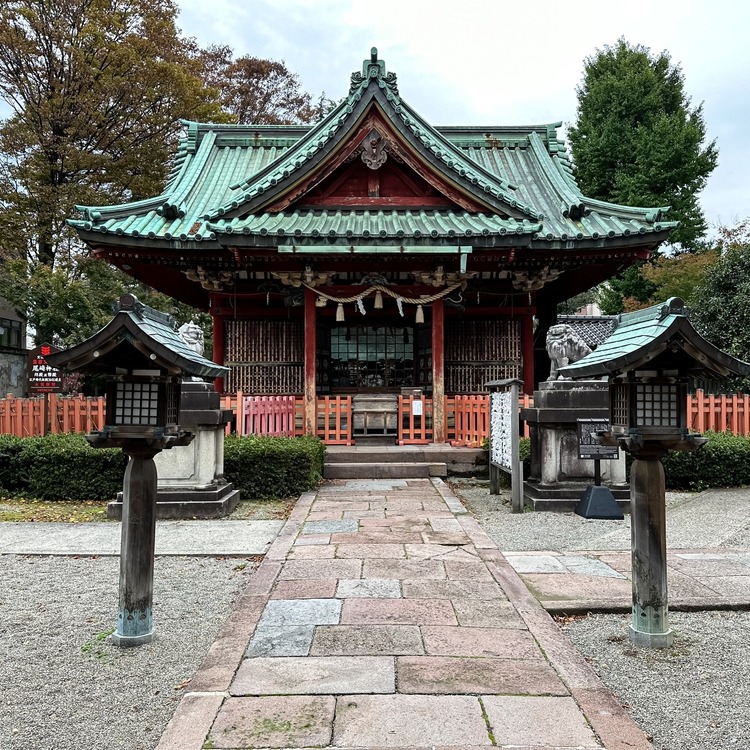
Kanazawa is often recognised for Kenroku-en and its reputation as a city that escaped the wartime bombing which reshaped so much of Japan. Its true character lives in the early hours, when the city moves at the rhythm of fishmongers at Omicho market laying out the catch from the Sea of Japan, craftspeople opening lacquerware and gold-leaf ateliers and a quiet civic pride that seems to run through daily life as naturally as the two rivers that frame the city. Beyond the garden and the samurai and geisha districts that draw visitors, the city reveals a world shaped by the long rule of the Maeda clan, whose patronage produced a concentration of craft traditions — Kutani porcelain, Kaga silk dyeing, Wajima lacquer — that still sustain working artisans today. Between the Higashi Chaya teahouse quarter, the covered Kohrinbo shopping lanes, the temples of Teramachi and the seafood-rich tables of its ryokan and market restaurants, Kanazawa offers a cultural density quietly disproportionate to its size.
Tokyo
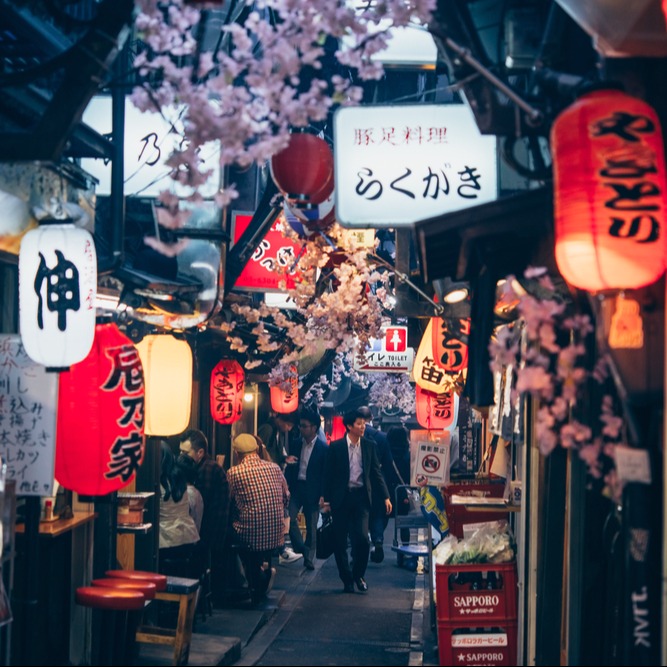
Tokyo is often recognised for its skyline and the controlled energy of its great crossing at Shibuya. Its true character lives in the early hours, when the city moves at the rhythm of fishmongers at Toyosu settling the morning's auction, shotengai shopkeepers rolling up shutters and salaryman queues forming silently at station platforms. Beyond the towers and the spectacle that draw visitors, the city reveals a world shaped by an extraordinary density of neighbourhood life, where each ward functions almost as its own village, with its own festivals, its own specialities and its own unhurried routines. Between the craft workshops of Yanaka, the kitchen supply street of Kappabashi, the temple precincts of Asakusa and the residential backstreets of Shimokitazawa, Tokyo offers an intimacy that its scale entirely conceals.
Coming Soon: Setouchi
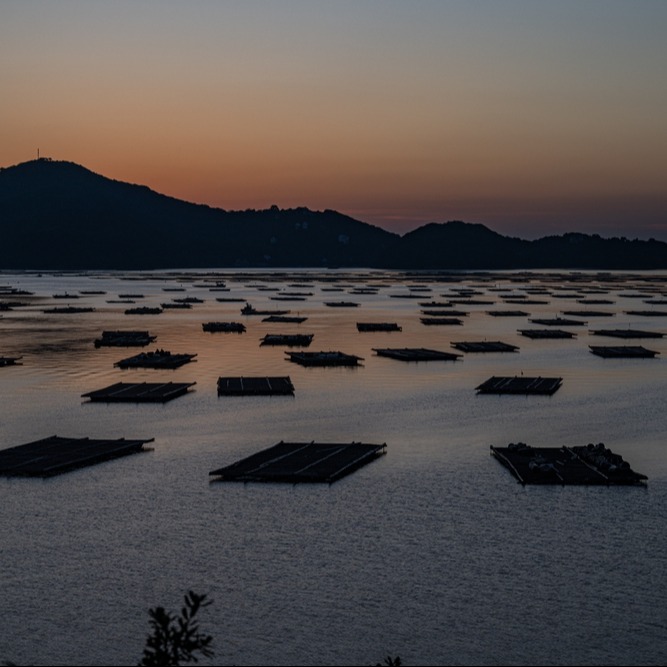
The region surrounding Japan's Seto Inland Sea is recognized as one of the most beautiful among a country with no shortage of natural beauty. Cycle the famous Shimanami Kaido over soaring bridges and sparsely populated islands. Explore regions dedicated to traditional Japanese crafts such as denim, soy sauce, and sake. Glide over the calm sea to the islands of Naoshima and Shodoshima, dedicated to contemporary art installations and galleries. The seven Japanese prefectures making up Setouchi each offer unique cultural and historical sites that are rarely explored beyond a handful of well-known attractions.
Coming Soon: Fukuoka
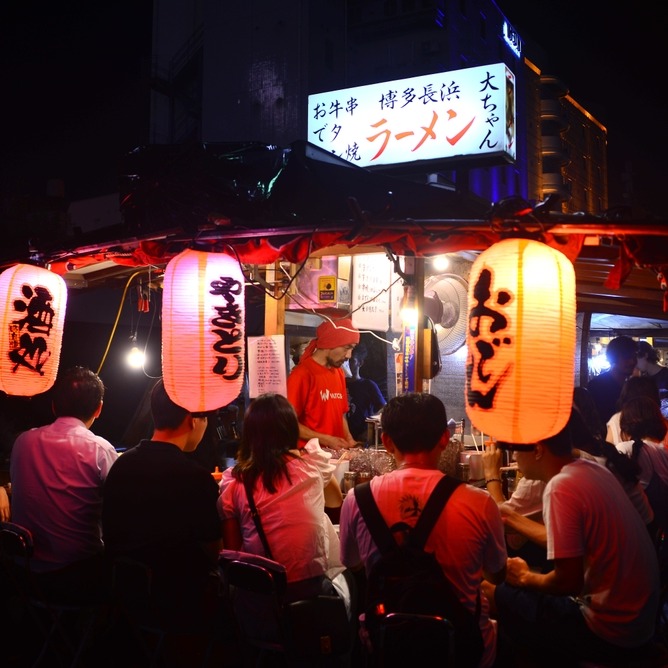
Fukuoka is the gateway to Japan's Kyushu Island, the westernmost of the four main islands. Introduction to Fukuoka's lively and friendly culture is usually experienced seated around a yatai, an outdoor portable food stall set up along the Naka River in the evening hours. Here, introducing yourself to strangers sitting near you is not only permitted, it's expected, as you enjoy bite sized delicacies and bowls of creamy tonkotsu ramen. As a transportation hub of the island, you can enjoy Kyushu's plentiful onsen hot springs areas, pottery villages, historical spiritual sites, and hike or cycle the island's well-maintained trails.
FERNWAYER'S THINGS TO DO IN JAPAN
In Japan, Fernwayer introduces the popular destinations of Tokyo and Kyoto/Osaka with experience that go beyond surface-level overviews of each of these fascinating areas. Explore Tokyo’s rich food scene and historical destinations connected to its samurai history. In Kyoto/Osaka, take a deep dive into Japan’s spirituality and how the arts and crafts are connected to it. We also offer experiences in Kanazawa, an off-the-beaten-path destination that is still conveniently connected to both Tokyo and Kyoto/Osaka by train, with a vibrant creative atmosphere thriving in a compact former castle town.
Kanazawa
What to do in Kanazawa? Don’t let the often-applied nickname of “Little Kyoto” fool you – Kanazawa is much more than a compact version of its famous sibling. A city rich in both samurai heritage and the arts and crafts, art and history lovers will be overwhelmed by the sheer number of attractions packed into this city. Discover the connection between the samurai and Shinto in “In the Presence of Shinto” and explore Kanazawa’s dozens of arts and crafts museums and samurai-era attractions.
How long should I stay in Kanazawa? In two days in Kanazawa, you can cover the major attractions of Kanazawa: Kanazawa Castle, Kenrokuen Garden, Omicho Market, Nagamachi samurai residence district, and Higashi Chaya geisha district. However, lovers of Japanese arts and crafts will benefit from staying longer to explore the many museums, galleries, and shops located here, as well as making day trips to nearby UNESCO Heritage Shirakawa-go and Ainokura villages and the hot springs of Kaga and Yamanaka.
Kyoto
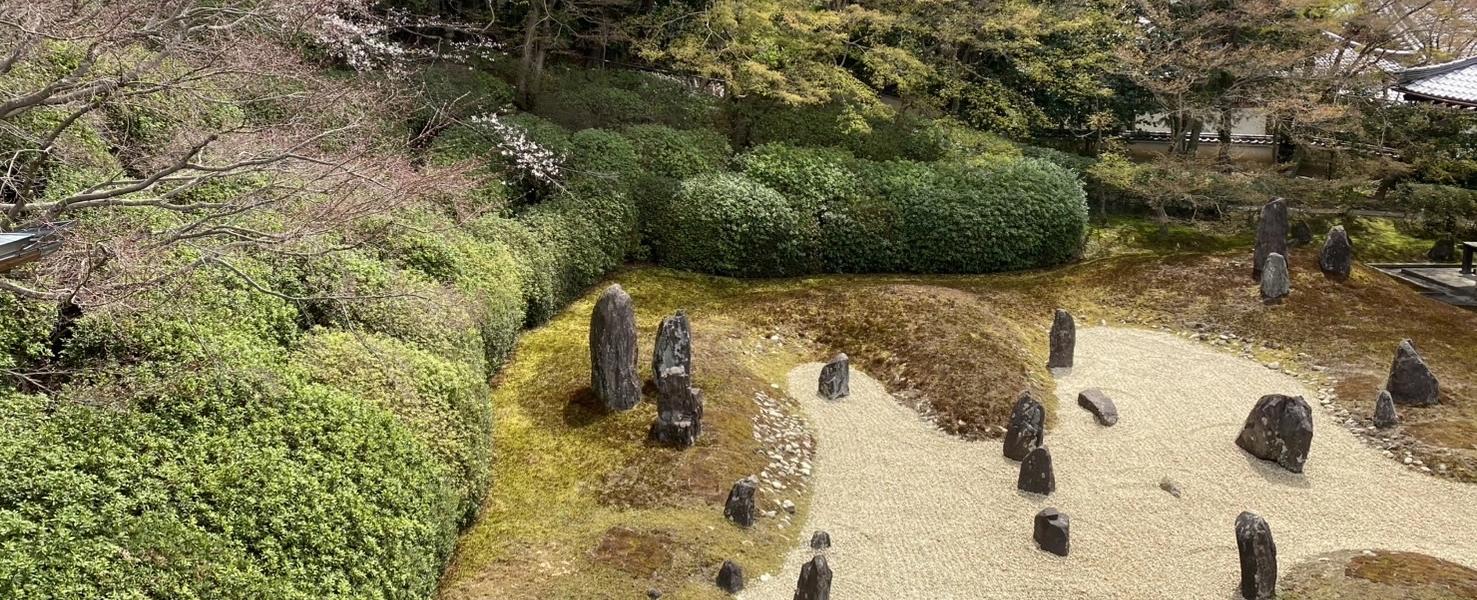
What to do in Kyoto? With hundreds of temples and shrines, a curated experience of Kyoto’s spiritual side is a must. Consider “The Shape of Ikebana”, “A Brush with Peace”, or “The Geometry of Zen Gardens” for enlightening explanations of Buddhist aesthetics. Alternatively, explore Kyoto’s lively nightlife with “The Social World of Tachinomi.”
How long should I stay in Kyoto?
Four to five days is a good length of time to spend in Kyoto, breaking up your visits to its ancient temples and gardens with craft and food experiences. Traveling between attractions tends to eat up a lot of time in Kyoto, so try to break the city into quarters and spend a full day exploring each one.
Osaka
What to do in Osaka? In Osaka, experience life “working” at a Buddhist temple in “In a Monk’s Robes” or try out another “spirit” world in nearby Kobe with “Guardian of Sake: Nada Gogo.”
How long should I stay in Osaka? Add another couple of days to enjoy Osaka's stunning Osaka Castle, bustling shopping and nightlife districts, and endless variety of restaurants; it’s not called the “Kitchen of Japan” for nothing.
Tokyo
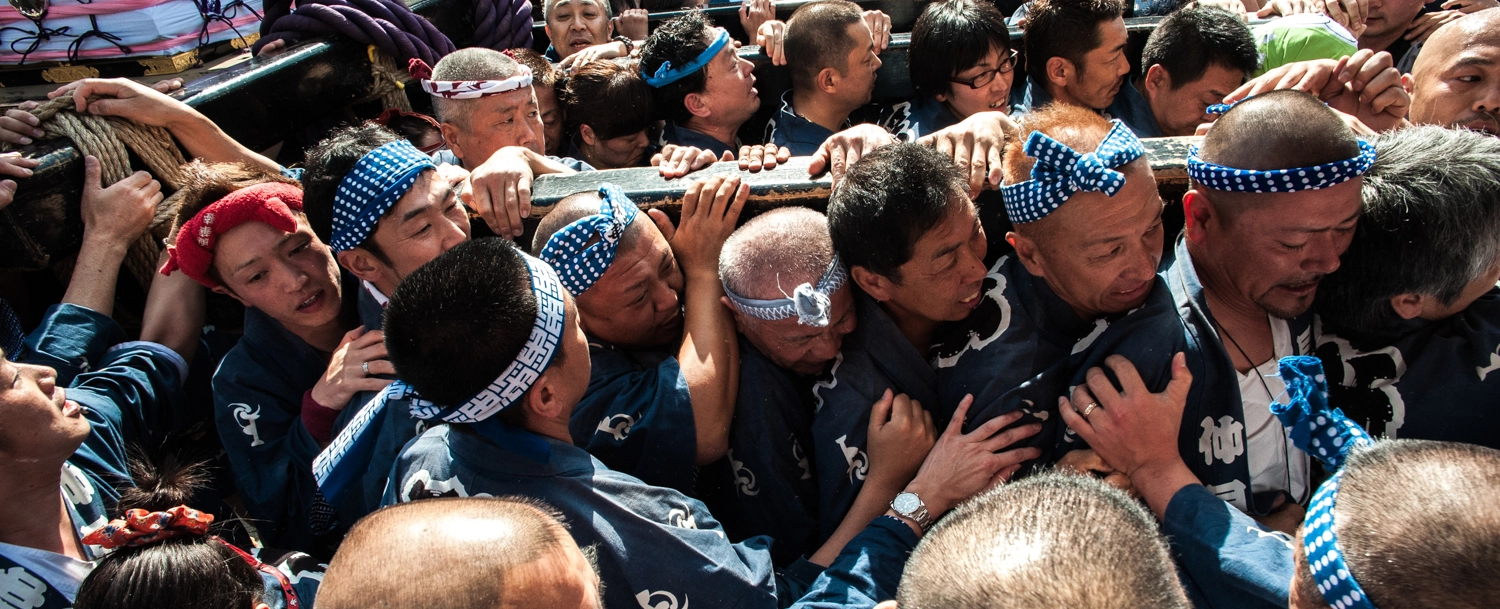
What to do in Tokyo? First-timers to Tokyo can enjoy a highlight reel of the city in our “Tokyo: Cut to Scene” experience, while repeat visitors might prefer a deeper dive into samurai era history in “The City of Japanese Dolls” or “The Practice of Iaido.” Foodies can enjoy a rare up-close look at Tokyo’s fish markets in “From Sea to Shari.” For those craving the excitement of an authentic Japanese festival “Into the Chaos of the Sanja” is a photography-centric plunge into one of Tokyo’s most energetic annual events.
How long should I stay in Tokyo? There’s no upper limit for how long you can spend in Tokyo, but visitors should allow a minimum of five days, three to hit Tokyo’s highlights and two more to enjoy a couple of day trips to the fascinating attractions nearby, such as Nikko, Kamakura, and Kawagoe.

WHEN TO GO
MAR
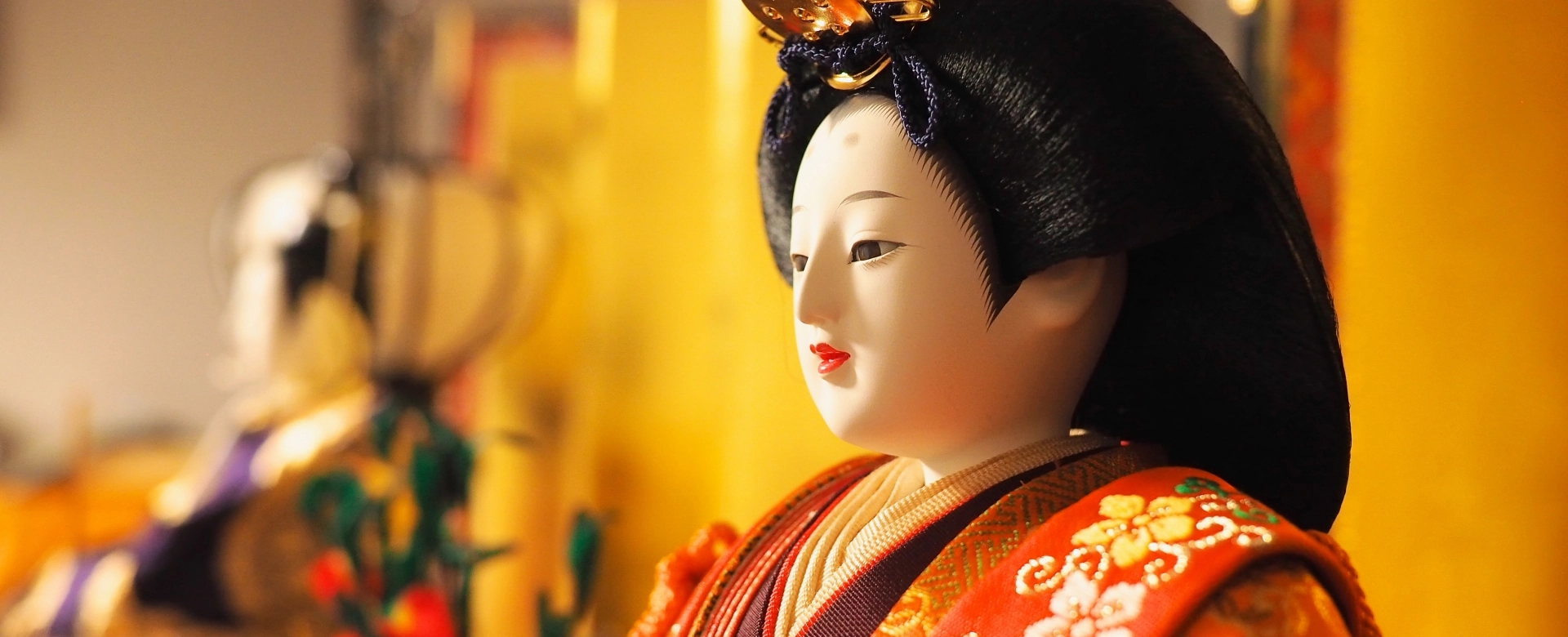
Celebrate Girls' Day with displays of Japanese dolls.
MAR
Celebrate Girls' Day with displays of Japanese dolls.
MAY
Sanja Matsuri, Tokyo’s largest and wildest festival
MAY
Sanja Matsuri, Tokyo’s largest and wildest festival
FREQUENTLY ASKED QUESTIONS
What is the best time of year to visit Japan?
The best seasons to visit Japan are Spring and Autumn, when the weather is generally mild and the seasonal foliage is on display. However, these are also the busiest seasons, so you should consider shoulder seasons, such as February to March or September to October which are still pleasant but less busy. If you don’t do well in the heat, avoid July and August, when the weather can be sweltering across the country.
How many days do you need for a trip to Japan?
Although some people try to visit Japan for a week or less, you can barely scratch the surface of what the country has to offer in that time period. If you only have a week, try to focus on one or perhaps two cities. In two weeks, you can comfortably explore the major destinations of Tokyo, Kyoto and Osaka, but try to substitute in a less-traveled destination like Kanazawa if it isn’t your first time to Japan.
What is the best way to travel between Japanese cities?
Japan’s high-speed rail service, the Shinkansen “bullet train”, is among the best in the world and connects many of Japan’s major cities. Domestic flights are also convenient and affordable for longer distances, such as Tokyo to Kyushu or Hokkaido.
How do I avoid tourist traps in popular Japanese cities?
Japan isn’t plagued with tourist traps like some countries, but social media has created virtual tourist traps which are attractions and areas that are overrun with tourists. Consider using an expert guide to show you the usual places in unusual ways, or try something completely different, like upcycling a Japanese craft or becoming an expert with an abacus.
Can I use my credit card everywhere in Japan, or do I need cash?
Japan has a reputation for being a cash-based society, but has started shifting toward credit cards and electronic payments. Still, you will likely run into a few shops and restaurants that are strictly cash only, so be sure to keep some on hand. ATMs found in major convenience stores can generally be used to dispense yen from your bank account.
What are the must-try regional foods in Japan?
Although it's impossible to name every food you should try in Japan, be sure to try Kyoto’s obanzai - simple homestyle dishes made with ingredients produced or processed in Kyoto. Among the many Osaka favorites, you’ll find the local okonomiyaki savory pancakes and its cousin, takoyaki battered octopus balls. Kanazawa is well known for seafood from the Sea of Japan coast, better in the colder months when crab is plentiful and the fish develop a rich fatty flavor. And in Tokyo, being the cultural and culinary center of Japan, simply try everything.
Is Japan safe for tourists?
Although no country is completely safe for tourists, Japan rates as one of the safer ones. Tourist-related scams and thefts are few, violence even fewer, and many lost valuables, including passports, mobile phones, and wallets full of cash, are often returned to police boxes and lost and found offices of train stations.
Do I need to speak Japanese to travel in Japan?
Although many Japanese prefer not to speak foreign languages, there is a high degree of tolerance for non-Japanese speakers. Major cities often have signage and restaurant menus in English. Still, knowing a few fundamentals of the Japanese language will make your trip go more smoothly.
Is there a dress code for visiting temples and shrines in Japan?
Most shrines and temples do not have official dress code regulations for visitors, but courtesy and common sense apply. Visitors wearing shorts, tank tops, or other outfits showing a lot of skin should try to cover up as much as possible. It is also considered bad manners to walk barefoot on tatami mats, so always carry a clean pair of socks if you intend to enter the building of a shrine or temple.
Do I need a visa to travel to Japan?
While there are over 70 countries whose citizens can currently enter Japan without a visa for up to 90 days, consult your local government website for details for your situation.
FERNWAYER
We are reimagining luxury in travel as authentic connection, immersive storytelling, rare access, and a spirit of curiosity through curated, exclusive, and hard-to-arrange experiences.