
Origins of Lisbon
Lisbon | Portugal
Heritage
Walking Tour in Lisbon through Alfama and Mouraria tracing the city’s layered civilizations.
About
Book
Reviews
Nearby

Tiago Neiva
Private
2 - 6 peopleⓘ
3.5 hours
Offered in English, Portuguese, Spanish
What is this?
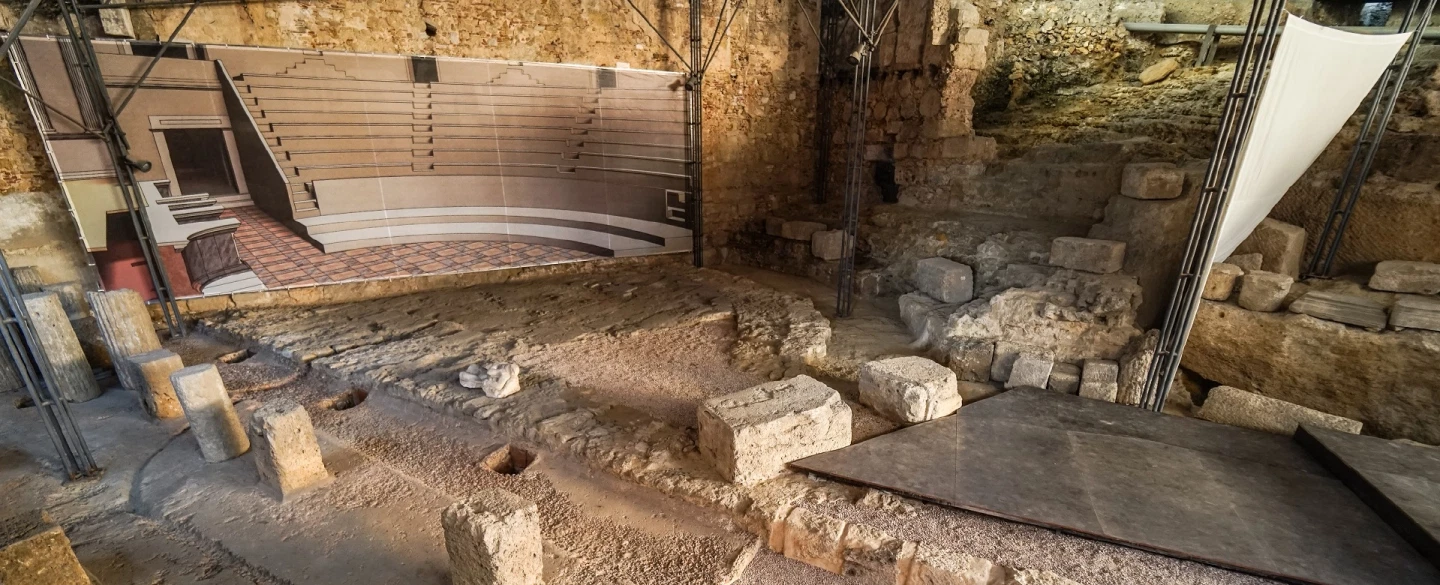
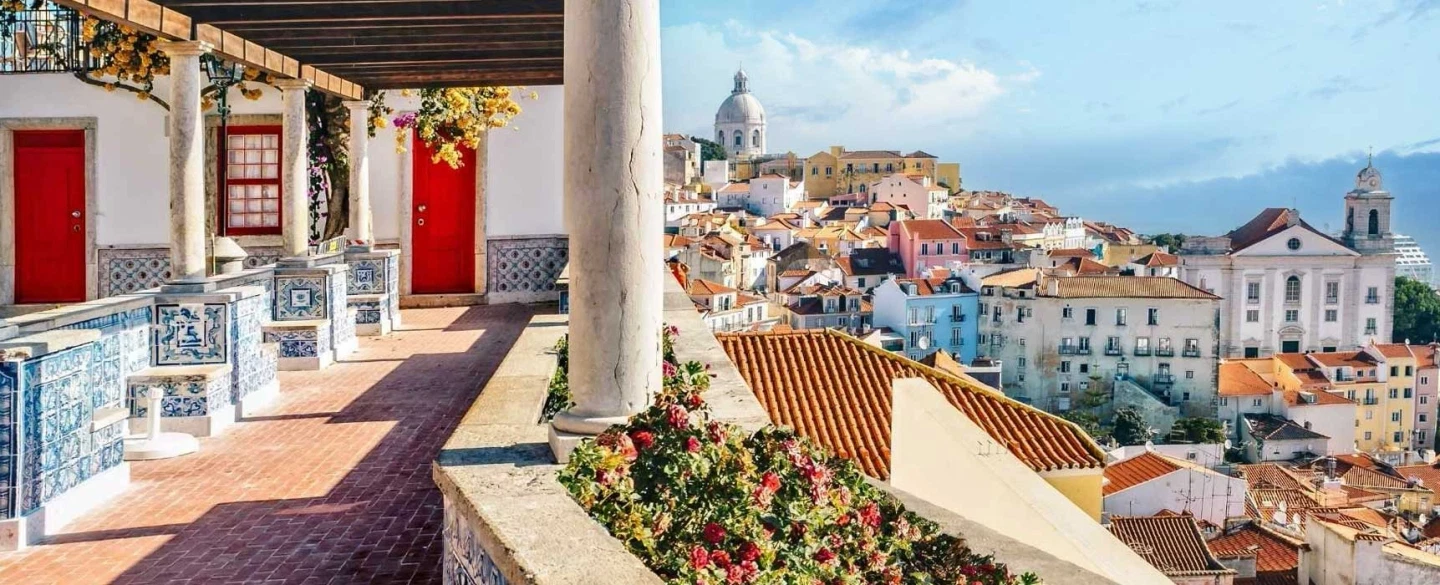
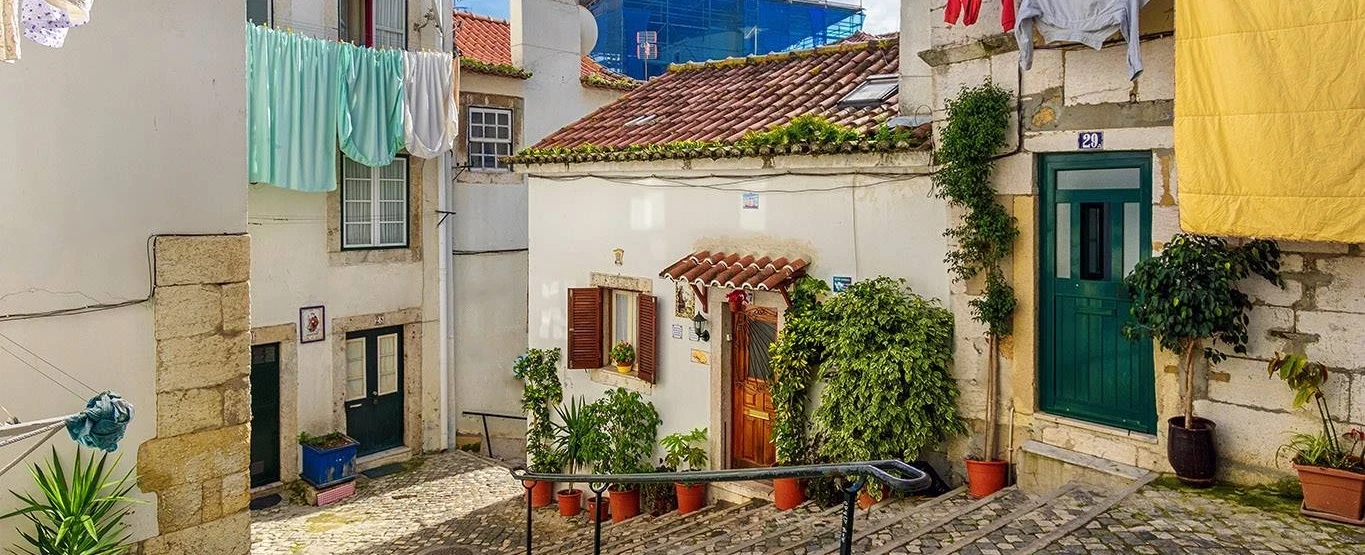
In a 3.5-hour tour in Alfama and Mouraria — two of Lisbon’s oldest areas, among the few spared by the 1755 quake — you walk through the urban layers of the city’s origins before Portugal existed as a kingdom. You start at the Roman Theatre, viewing the ruins at street level. Then you move through cobbled streets, hills, alleys, courtyards — shaped by medieval and pre-medieval planning — to experience the city’s history.
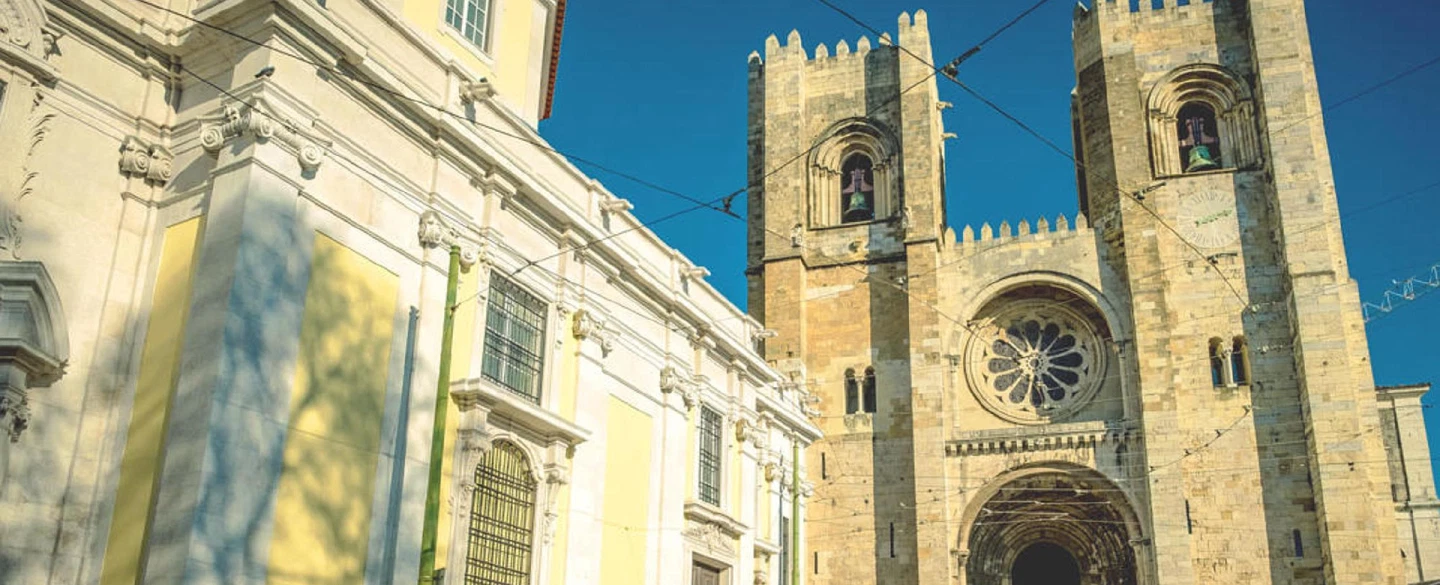
You see how Phoenician traces fade into Roman foundations, then Visigoths, Muslim urbanism, Jewish quarters, and Christian rule. Mouraria was named for the Moors and holds the memory of coexistence and marginalization. You climb to viewpoints, slip around key structures, and pause for coffee and pastry. The walk ends near Santo Domingos Square, where the medieval tangle of Alfama and Mouraria meets the rational grid of Baixa’s post-quake planning. Catastrophe and belief have continuously shaped Lisbon, the old lines still stubbornly guiding the city today.
What makes this unique?
Most Lisbon tours focus on monuments. Tiago threads the city’s civilizational layers in sequence — pagan, Jewish, Muslim, Christian — across nearly 3,000 years, showing how each built into the other and how later powers tried to tidy the record. In Mouraria and Alfama, you see what survives, what was reused, what was erased: the medieval removal of Muslims and Jews, the 12th-century birth of the Portuguese kingdom, traces of the Moorish castle that once governed the hilltop, and the site of the former Inquisition. Then comes the hard cut of the 1755 earthquake.
You step from the organic, irregular medieval maze into Baixa’s post-quake planned grid and feel how disaster redrew a city. Walking from one into the other allows you to feel the shift rather than simply learn about it. Tiago’s visual materials and storytelling give you the ability to imagine, and his expert narratives help you spot details that are easy to miss as Lisbon continues to shift under tourism and redevelopment.
What is the profile of the host?
Born and raised in Lisbon, Tiago Neiva has an extensive background in Architecture, and a master's degree in the Teaching of Visual Arts. Tiago's guided tours are known for their depth and insight, covering aspects like Lisbon's architectural heritage, its cultural, artistic and social context, and the unique characteristics that define the city.
What to bring?
Comfortable walking shoes for exploring Lisbon's neighborhoods.
Weather-appropriate clothing.
A camera for capturing Lisbon's charming streets and viewpoints.
A water bottle for hydration.
An open mind to discover the secrets of old Lisbon.
Where is this located?
Where will we meet?
Meet Tiago at the Roman Theatre Museum on Rua de São Mamede. You can walk there, take public transport, or Uber.
Share
EUR 150
per person
Private
2 - 6 peopleⓘ
3.5 hours
Wallet free on the day. Tickets, food and drinks as listed, guide fee and tip — all included in the price. You are a guest from the moment you arrive.
3.5-hour private guided walking exploration through Alfama and Mouraria - with a walking route through medieval streets, alleys, courtyards, hills, and viewpoints.
Full guidance and historical interpretation by an expert local historian/architect.
Access to lesser-visited historical sites along the route.
Custard tart and coffee stop during the walk.
Offered in English, Portuguese, Spanish
Private
2 - 6 peopleⓘ
3.5 hours
Wallet free on the day. Tickets, food and drinks as listed, guide fee and tip — all included in the price. You are a guest from the moment you arrive.
3.5-hour private guided walking exploration through Alfama and Mouraria - with a walking route through medieval streets, alleys, courtyards, hills, and viewpoints.
Full guidance and historical interpretation by an expert local historian/architect.
Access to lesser-visited historical sites along the route.
Custard tart and coffee stop during the walk.
Offered in English, Portuguese, Spanish
View more Lisbon experiences