
Fernwayer's Things to Do in Paris
Paris, France, carries a quiet rhythm shaped by art and gastronomy. The things to do here move through private gallery visits, antique hunts, intimate brunches, and wine tastings in a chef’s home, revealing a side of the capital reserved for the curious.
Despite being one of the most visited cities in the world, Paris' reputation often flattens it into a sequence of monuments, museum lines, and postcard views. It is instead a city that defies every simple definition, a place where the grandeur of history constantly dialogues with the vibrant pulse of the contemporary. The city reveals itself more fully through the historical forces, cultural institutions, and social habits visible across its neighborhoods. Fernwayer engages Paris by connecting with people who know intimately the historical developments that shaped modern France, the systems that sustain its art world, and the traditions that define its cuisine. The focus stays on meaning and interpretation, not on moving quickly from one landmark to the next. Historians and novelists guide you through streets and palaces marked by political change and lived experience. Art professionals lead you across galleries and markets central to the city’s cultural life. Chefs welcome you into their homes to share culinary traditions. Each experience is designed as a direct exchange grounded in presence and conversation rather than a passive visit.
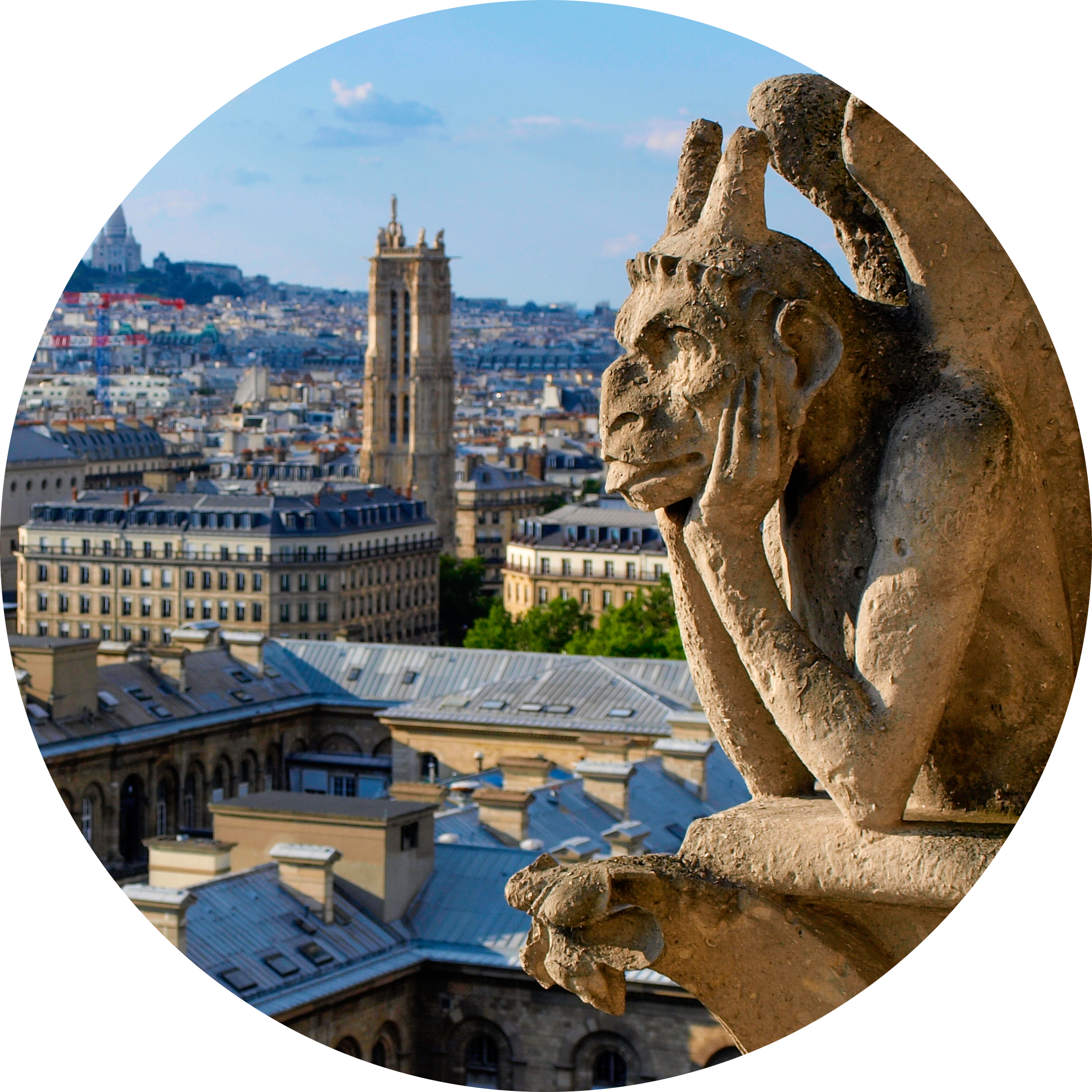
FERNWAYER'S PARIS ESSENTIALS
We’ve curated a set of experiences that connect you with Paris through its historical sites, artistic heritage, French flavors, iconic monuments, and the material culture found across its neighborhoods and flea markets, brought together by Fernwayer’s cross-cultural approach to the destination.
Fernwayer’s essentials approach Paris through experiences tied to the city’s long historical trajectory, its cultural production, and the circulation of objects, ideas, and traditions that continue to give it relevance today. Explore how the years of foreign occupation during the Second World War left lasting marks on the city and its inhabitants. Sit down with a chef and sommelier who guides you across France through its wines without leaving the table. Browse the flea markets of Saint-Ouen in search of antiques and modern treasures alongside someone who knows the dealers, the routes, and the unwritten rules of the place. Fernwayer approaches these experiences through direct knowledge of the contexts in which they unfold, grounding each one in the relationships, expertise, and places, rather than presenting them as isolated highlights.
Explore our essential Bordeaux tours below or see all Paris experiences here.
The Human Edit
Need help planning your trip? A Fernwayer curator takes your preferences and designs a custom travel itinerary that works. This is human-led travel planning — by someone who understands the art of travel itinerary design — built around your dates and preferences. Each personalized itinerary uses Fernwayer experiences as anchors and complements them with recommendations for flights, hotels, restaurants, and self-explore ideas.
FOLLOW YOUR PASSIONS
Enter more deeply into Paris' complex character, beyond the usual landmarks and expected views, through the eyes of the people who give the city its energy every day. Join a chef in a private home for a Parisian brunch that reflects contemporary food culture. Step into the gallery world with an art insider to meet artists and dealers. Or enter the markets of Saint-Ouen with an expert to learn how to navigate one of the world’s largest antiques districts.
Art Tours in Paris
Paris developed as a center for artists, dealers, and collectors from the nineteenth century onward, leaving a lasting network of galleries and art markets. Moving through these spaces without guidance can be disorienting, given their scale, pace, and specialized nature. Fernwayer accompanies you with a professional from this world, helping you navigate musuems, galleries and antiques markets with focus and purpose. The experience places you inside the rhythms of Paris’s art scene, offering direct contact with those who work in it.
Walking and History Tours in Paris
Paris’s streets preserve the traces of the events that shaped modern France, from revolution and political upheaval to the years of occupation during the Second World War. Moving through the city reveals how major historical moments unfolded within ordinary neighborhoods, where daily life continued alongside dramatic change. Fernwayer approaches this history through guided walks that connect places, testimonies, and lesser known stories, allowing you to read the city through the experiences of those who lived these transformations. The result is a grounded understanding of how Paris’s past remains embedded in its urban landscape today.
Food and Wine Tours in Paris
Food remains one of the most direct ways to encounter French culture, shaped by regional traditions, seasonal ingredients, and the rituals of the table. In Paris, this heritage is experienced through meals prepared and shared in private settings, where conversation, technique, and hospitality are inseparable. Fernwayer’s experiences bring you into a chef’s kitchen and a Parisian home, offering a close view of how French culinary knowledge is practiced today. Guided tastings trace a journey across France’s wine regions, using selected bottles to explore geography, production, and the diversity that defines the country’s wine tradition.
NEIGHBORHOOD GUIDE
Paris rewards choosing the right base, since many major sights sit within a compact core that can be explored on foot, with quick connections across the city by metro or short car rides when timing matters.
Where to stay? For immediate access to iconic landmarks, the areas around the Louvre and the Right Bank center place you within walking distance of the Tuileries, the Seine River, and several major museums. Le Marais offers a balanced base with historic streets, strong dining options, and easy movement in multiple directions. On the Left Bank, Saint Germain des Prés suits travelers who want refined surroundings, established restaurants, and proximity to the quays and Musée d’Orsay.
Daily Parisian life is most visible in Le Marais, where independent shops, bakeries, and galleries stay active throughout the day and evening. Saint Germain des Prés concentrates classic cafés and dinner addresses, while the Latin Quarter carries a livelier rhythm with late openings and casual dining. Montmartre offers a slower pace after dark, centered on neighborhood restaurants and small squares.
For more neighborhood highlights, explore the cards below.
Paris Neighborhood Guide

Louvre
Louvre anchors the central Right Bank, where major sights cluster within easy walking distance. The museum itself can fill a full day, while the Tuileries Garden offers open paths toward Place de la Concorde. Around Palais Royal, arcades, courtyards, and historic passages reveal layers of royal and civic history. This area suits travelers who want immediate access to iconic landmarks and efficient connections across the city. In this area you find boutique hotels as well as some of the city’s most established hotels. Dining options include classic brasseries, refined restaurants, and quick cafés that support long days of museum visits. Rue de Rivoli runs along the district as one of Paris’s established shopping streets, and those who wish to continue shopping can easily reach the Champs-Elysées.

Île de la Cité
Île de la Cité forms the historic core of Paris, set within the Seine. Notre Dame Cathedral, Sainte Chapelle, and the Conciergerie concentrate major medieval and Gothic landmarks within a compact area. Streets are limited, so most exploration happens on foot. You can expect steady crowds and security checks at monuments. Beyond the headline sites, small squares and river views frame some of the city’s most recognizable perspectives. This is not a district for nightlife or shopping, but for focused visits tied to architecture, history, and the evolution of royal and judicial power. Just across a short bridge, Île Saint-Louis offers quieter streets and historic townhouses.

Le Marais
Le Marais blends preserved historic streets with active daily life. Place des Vosges, the Picasso Museum, and smaller galleries sit within a dense grid suited to walking. Architecture spans medieval parcels and later townhouses, with frequent courtyards opening off narrow lanes. The neighborhood shifts gradually throughout the day: mornings move between museums and cafés, afternoons fill with gallery visits and specialty shopping, and evenings gather around restaurants and wine bars without turning into a late night party zone. The area offers a wide range of restaurants, bakeries, independent boutiques, vintage shops, and bookshops.

Saint-Germain-des-Prés
Saint-Germain-des-Prés offers a polished Left Bank setting centered on cafés, galleries, and churches. Boulevard Saint-Germain and the surrounding streets hold classic brasseries, pastry shops, and bookstores. The district sits within walking distance of Musée d’Orsay and the Seine quays, linking museum visits with riverside routes. The church of Saint-Germain-des-Prés marks one of the city’s oldest sites, while galleries and art dealers reflect the area’s longstanding role in Parisian cultural life. Place Saint-Germain-des-Prés is home to Café de Flore and Les Deux Magots, two of the city’s historic cafés. Nearby streets connect toward the Luxembourg Gardens and the university quarter. Recommended experience: The Art Pulse of Paris.

Latin Quarter
The Latin Quarter centers on the Sorbonne and a dense network of older streets, including the Panthéon, Cluny Museum, and the bouquinistes, Parisian riverfront bookstalls. The atmosphere skews younger due to student presence. The street pattern is irregular and tightly packed, reflecting one of the oldest urban layouts on the Left Bank. Second-hand book dealers and long-standing print culture keep the area strongly tied to study and publishing. Compared with Saint-Germain, the overall tone is more informal. Rue Mouffetard and surrounding lanes offer produce stalls, bakeries, and small restaurants. The nearby Jardin des Plantes adds a garden and museum complex that extends the district beyond its academic core.

Montmartre
Montmartre rises on a hill north of the center, anchored by the Church of Sacré-Cœur and its broad terrace overlooking the city. Steep streets, stairways, and small squares define the area’s topography. Place du Tertre gathers painters and sketch artists throughout the day. The Vigne de Montmartre is a small active vineyard on the hill, a rare example of urban wine production in Paris and a reminder of the hill’s rural past. Rue Lepic connects the upper and lower slopes, passing the Moulin de la Galette, one of the surviving historic windmills. Beyond the busiest lanes, residential streets retain a quieter rhythm. At the base of the hill lies Pigalle, known for its longstanding nightlife tradition and the legendary Moulin Rouge. Recommended experience: A Parisian Brunch at Home.
FREQUENTLY ASKED QUESTIONS
This FAQ provides clear, planning-focused answers to help you structure your time in Paris: where to base yourself; how to arrive smoothly from the airport; how far in advance to reserve restaurants and major monuments; how weekly closures affect museum visits.
Where should I base myself — and why? Paris is organized around distinct neighborhoods, each with a different pace and character. Accommodation within the central arrondissements on either side of the Seine, particularly the 1st through the 6th, offers the most efficient access to the city as a whole. The Right Bank tends to feel broader and more monumental, with wide avenues and major institutions. The Left Bank is generally more residential in scale, structured around smaller streets. If you prefer a village atmosphere within the city, areas such as Le Marais or parts of Saint-Germain place you within walking distance of galleries, independent shops, and restaurants. Montmartre provides a distinct atmosphere but requires additional transit time.
What is the smoothest private arrival? The most seamless option is a pre-arranged private transfer. Paris is served primarily by Charles de Gaulle and Orly airports, and travel times can vary significantly depending on traffic and time of day. Taxis are widely available, but queues and variability in pickup points can add friction.
How do I move around effortlessly? Paris is highly walkable, particularly within individual districts. Many of the main sights sit within a 20–30 minute radius on foot. For longer distances, private drivers offer the most seamless option, especially when timing matters. The metro is extensive and efficient, though often crowded during peak hours. Taxis and ride services are widely available, but traffic can slow surface travel at certain times of day. If your schedule includes multiple neighborhoods in one day, grouping visits by area reduces transit time and keeps the pace manageable.
How far ahead do I need to book restaurants? For established dining rooms and sought-after contemporary restaurants, reservations are advisable several weeks in advance, particularly during spring and fall. High-profile venues may require booking even earlier. Smaller neighborhood restaurants can be more flexible, but prime dinner times fill quickly. Lunch reservations are generally easier to secure. If your stay coincides with fashion weeks, major exhibitions, or holidays, demand increases significantly and advance planning becomes essential.
When should I visit to avoid crowds? Late January through March and November offer fewer visitors while maintaining full cultural programming. Summer brings extended daylight but also peak tourism, especially around major monuments. Early mornings remain the most manageable time for visiting high-traffic sites such as the Louvre or the Eiffel Tower. Shoulder seasons provide the best balance between access and atmosphere.
Do I need advance tickets for major monuments and museums? Yes. Timed-entry tickets for institutions such as the Louvre, Musée d’Orsay, and Sainte-Chapelle regularly sell out. Securing entry in advance prevents long waits and allows you to structure your day with precision.
How many days do I actually need? Three full days allow for a structured overview of Paris, covering major institutions, key neighborhoods, and time for unplanned exploration. With four to five days, the pace becomes more balanced, leaving space for smaller museums, markets, and extended meals without compressing your schedule. Shorter stays require tighter planning and careful sequencing of visits. Paris rewards time, particularly if you intend to explore both banks thoroughly rather than concentrating on a single cluster of landmarks.
Are major sights closed on certain days? Yes. Several major institutions close one day per week. The Louvre is closed on Tuesdays, while Musée d’Orsay and the Centre Pompidou close on Mondays. Many smaller museums follow similar weekly closures. Public holidays can also affect opening hours. Checking schedules in advance is essential when structuring consecutive museum visits to avoid unintended gaps in your itinerary.
Is Paris safe at night? Central Paris is generally safe, particularly in well-trafficked districts along the Seine and in established residential areas. As in any major capital, pickpocketing can occur in crowded spaces and around major monuments. Standard urban awareness is sufficient for most visitors. Areas around large transport hubs late at night tend to be less active, while restaurant districts and main boulevards remain lively into the evening.
New Experiences Every Month!
We travel the world in search of transformative experiences outside the beaten paths. Subscribe to our newsletter to be among the first to know about new, exciting experiences around the globe.
DISCOVER MORE OF FRANCE
Explore France, city by city. Explore experiences in culture, crafts, heritage, food, and much more with Fernwayer.
FERNWAYER
We are reimagining luxury in travel as authentic connection, immersive storytelling, rare access, and a spirit of curiosity through curated, exclusive, and hard-to-arrange experiences.