
Porto in Art Nouveau and Deco
Porto | Portugal
Heritage
Architecture
Art Nouveau & Art Deco Tour in Porto exploring early 20th-century design with a art historian.
About
Book
Nearby

Olga Mischenko
Private
1 - 4 people
2.5 hours
Offered in English, Russian
What is this?
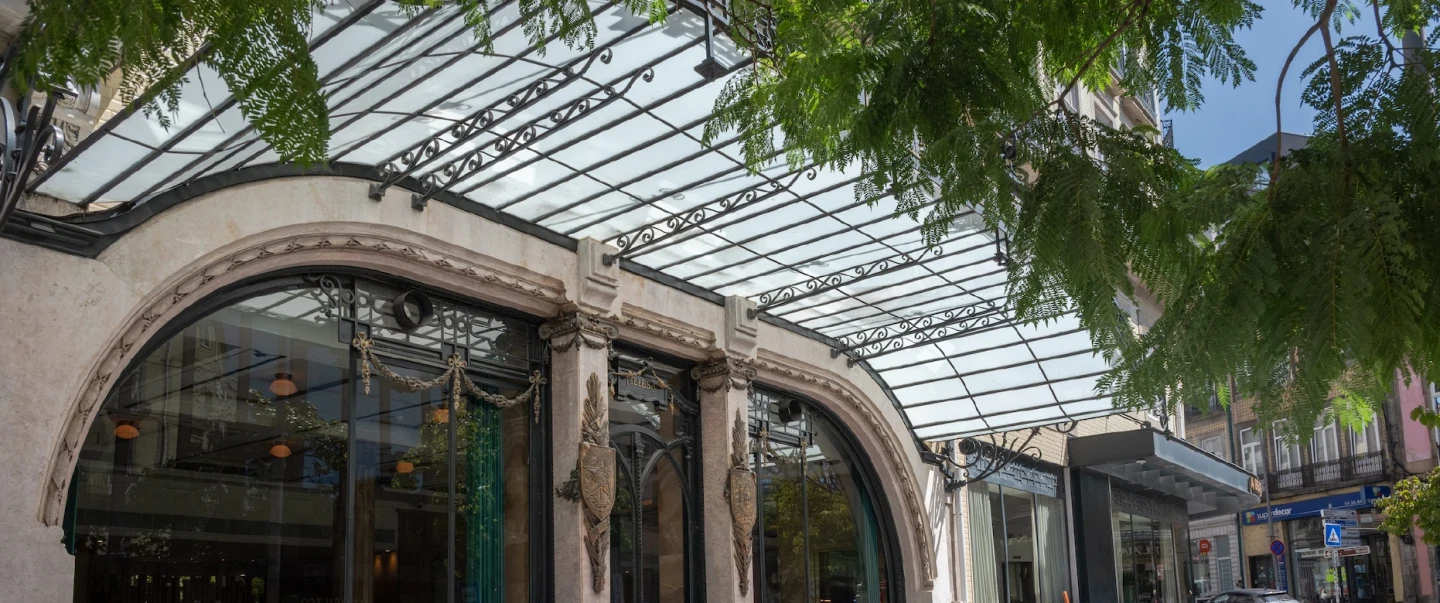
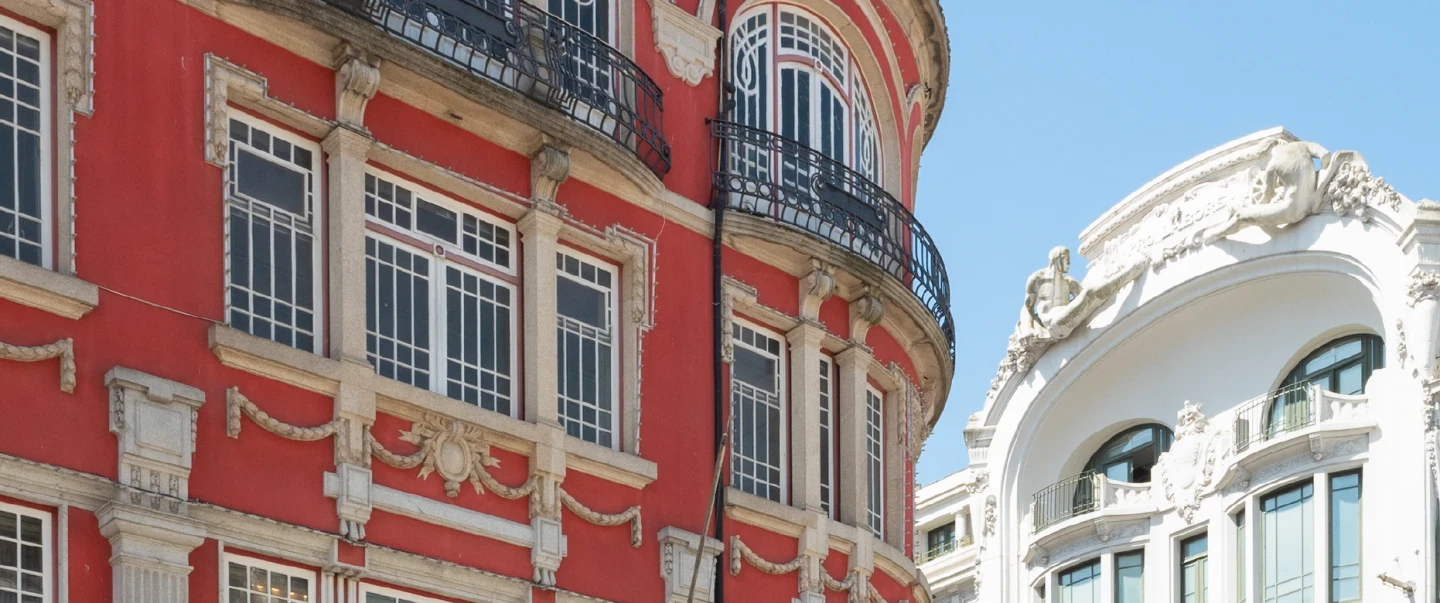
This guided walk traces Porto’s early 20th-century design through buildings shaped by the Art Nouveau and Art Deco eras. Visitors are often surprised by how diverse Porto’s architecture is, at times feeling closer to that of French cities. Flowing façades and ornamental ironwork sit alongside bold geometry and streamlined forms, adapted to local materials, craftsmanship, and scale.
Guided by an art historian, you explore how European influences were translated into Porto’s urban fabric. The walk follows early-1900s commercial streets, past jewelry shops and independent cinemas, showing how architecture responded to shifts in commerce, leisure, and social life. Art Nouveau and Art Deco buildings are especially visible in these commercial corridors, reflecting Porto’s identity as a city shaped by artists, craftsmen, and patrons.
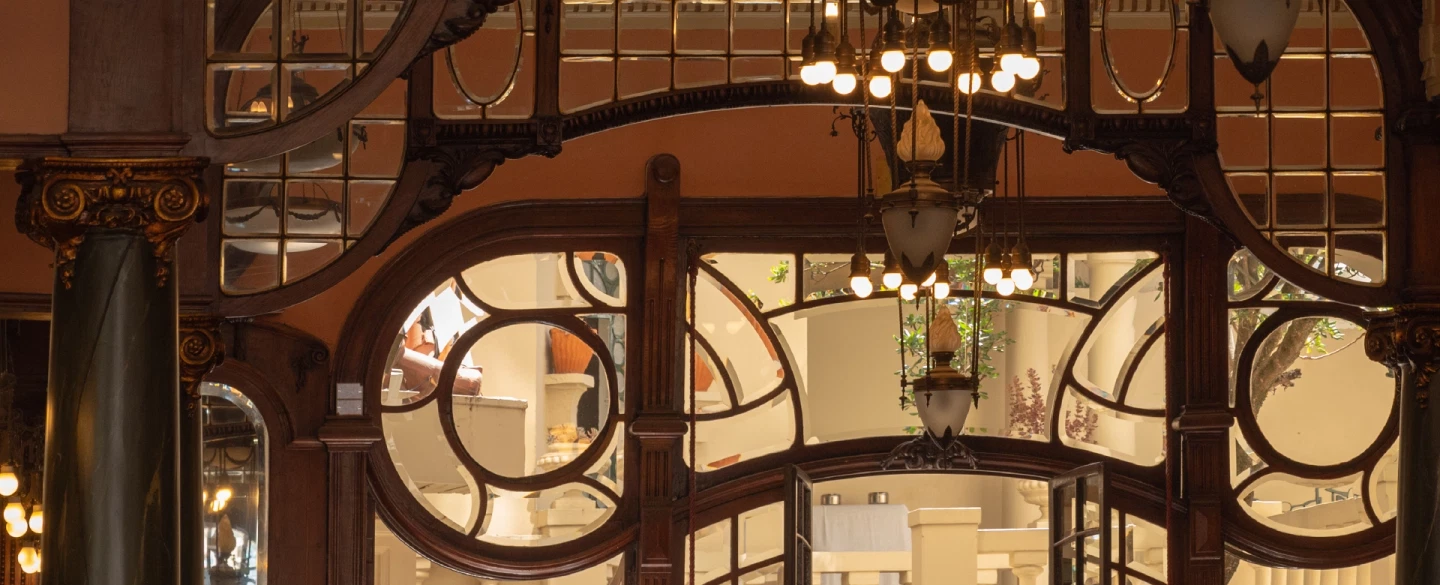
Along the way, you pause at two historic cafés that capture the spirit of their time: one from the early 20th century and another shaped by the 1930s Deco age.
What makes this unique?
This experience is structured as a design history of Porto’s early 20th century, tracing how Art Nouveau and Art Deco unfolded across time. Rather than simply viewing façades, you engage with the aesthetic evolution of a city that has always been proud of its artistic roots.
Olga frames these styles as part of a broader narrative — from expressive ornamentation to modern restraint — anchored in shifts in commerce, leisure and urban identity. European influences are shaped by Portuguese craftsmanship and building traditions. The walk connects architectural evolution to social history, linking commercial ambition and changing patterns of public life to the buildings that housed them.
You learn how and why these movements flourished in Porto and how the city’s relatively preserved fabric allowed this architectural wealth to survive. The tour showcases Porto as a design-driven city of the early 20th century, where international movements were absorbed, reshaped and made distinctly local.
What is the profile of the host?
Your host, Olga, is an art historian with a Master’s degree in Art History and a professional background in heritage preservation. Born and raised in Saint Petersburg, a city defined by layered architectural styles and strong European influences, she brings a trained eye for reading buildings as historical and cultural documents. Since settling in Porto, she has focused her research and walking experiences on the city’s early 20th-century architecture, where international movements such as Art Nouveau and Art Deco intersect with local traditions.
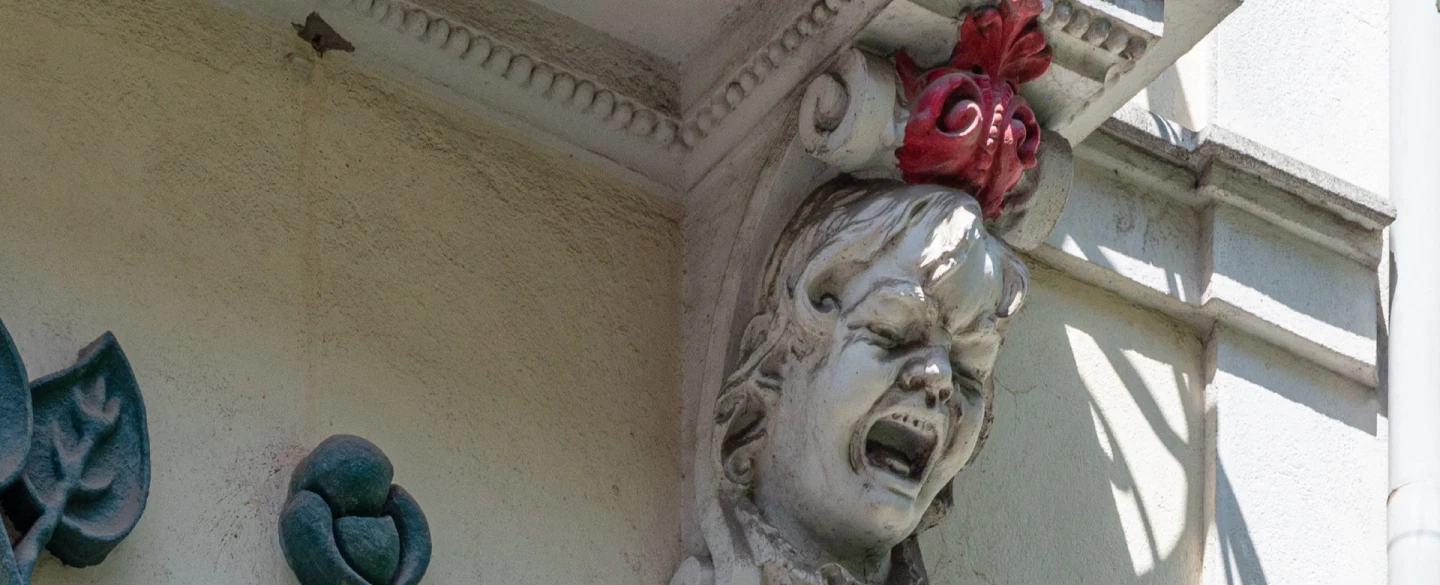
Olga’s approach combines academic rigor with close, on-the-ground observation. She guides you through both well-known façades and easily overlooked details — ironwork, materials, signage, and interiors — revealing how Porto’s commercial streets and social spaces reflect the creativity of their time.
What to bring?
Comfortable walking shoes, weather-appropriate clothing, and a camera or smartphone to capture the sights.
Where is this located?
Where will we meet?
Meet Olga at Praça da Batalha.
Share
EUR 125
per person
Private
1 - 4 people
2.5 hours
Wallet free on the day. Tickets, food and drinks as listed, guide fee and tip — all included in the price. You are a guest from the moment you arrive.
Guided walking tour of Porto’s Art Nouveau and Art Deco sites and heritage.
Full guidance and in-depth commentary by an art historian.
Exploration of early-20th-century commercial streets, façades, and design landmarks.
Interior stops at selected period locations, including a jewel boutique and two historic cafés (one early-20th-century, one 1930s).
Coffee and a light snack or dessert at a period café.
Offered in English, Russian
Private
1 - 4 people
2.5 hours
Wallet free on the day. Tickets, food and drinks as listed, guide fee and tip — all included in the price. You are a guest from the moment you arrive.
Guided walking tour of Porto’s Art Nouveau and Art Deco sites and heritage.
Full guidance and in-depth commentary by an art historian.
Exploration of early-20th-century commercial streets, façades, and design landmarks.
Interior stops at selected period locations, including a jewel boutique and two historic cafés (one early-20th-century, one 1930s).
Coffee and a light snack or dessert at a period café.
Offered in English, Russian
View more Porto experiences