
The Shinise of Old Tokyo
Tokyo | Japan
Heritage
Local Life
Walking Tour in Tokyo exploring Edo-era shinise shops and traditions in Nihonbashi and Akihabara.
About
Book
Nearby

Toshiko Sakurai
Private
2 - 5 peopleⓘ
4 hours
Offered in English, Catalan, Spanish
What is this?
Journalist and photographer Toshiko takes you on a time-slip through centuries of Edo–Tokyo legacy, visiting businesses that have survived generations of upheaval — earthquakes, fires, and bombings. You'll visit shops founded during this transitional period, including long-running food establishments, specialist merchants, and craft shops whose trades remain tied to Old Tokyo, with stops along the way for snacks.
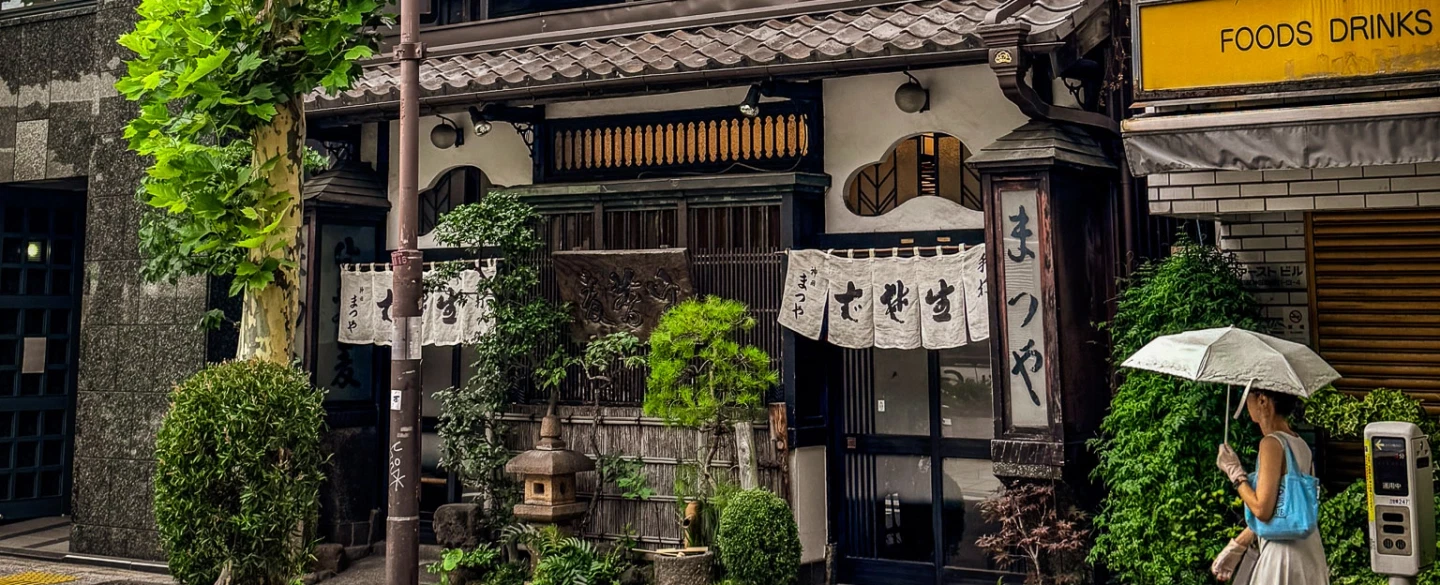
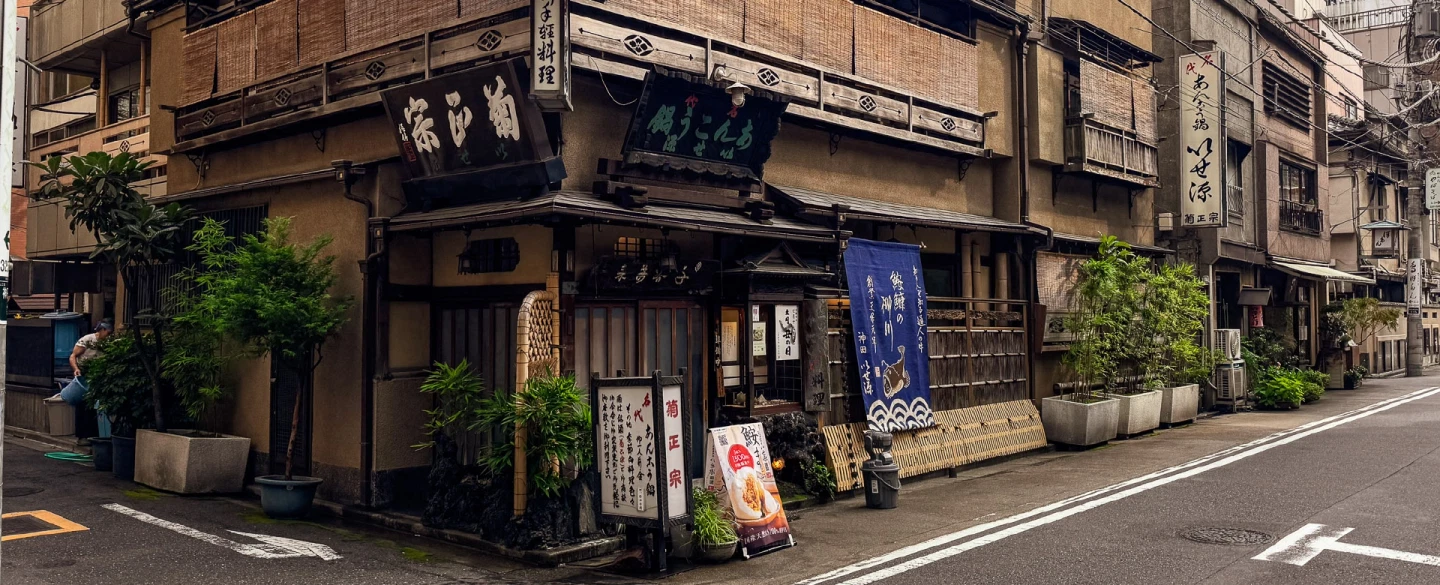
Tokyo is a city that has been razed and rebuilt many times. This walking tour focuses on parts of Tokyo where businesses and traditions have persisted since the era when the city was known as Edo. Nihonbashi and Akihabara are both home to many shinise — family-run businesses that have operated continuously for generations, and in some cases centuries.
Japan's modern story begins after the fall of the Shogunate in the late 19th century, when the new Meiji government struggled to establish itself after centuries of isolation had left the country behind.
What makes this unique?
Forgotten among the ultra-modern landscape of Tokyo are remnants of Japan's society once ruled by a warrior class. The tour starts in Akihabara and moves to Nihonbashi, once considered the center of all Japan and still known as the point from which national distances are measured.
Both districts play an important role in preserving the shops and traditions of Old Tokyo, with several shops officially recognized as shinise and still using traditional methods, recipes, materials passed down through generations. This tour highlights why these businesses matter beyond their longevity. It also reveals a distinctly Japanese idea of heritage: that continuity can live in a family, a craft, or a trade even when the building itself has changed.
Toshiko's insatiable curiosity as a journalist and keen eye as a photographer make her the perfect guide to lead you on a story through time, revealing locations, foods, and products that originated in Japan's Edo period and continue to flourish.
What is the profile of the host?
Toshiko Sakurai is a storyteller with a camera and a passion for Tokyo’s history and architectural evolution. Her years of experience as a culture and travel journalist and photographer have taken her through a wide exploration of the city's hidden corners and all the places that make up Tokyo's fascinating character.
What to bring?
Comfortable walking shoes and weather-appropriate clothing.
Cash for optional purchases at local shops as some may not take credit cards. Keep in mind, there's no pressure or obligation to buy anything from the shops you visit.
Where is this located?
Where will we meet?
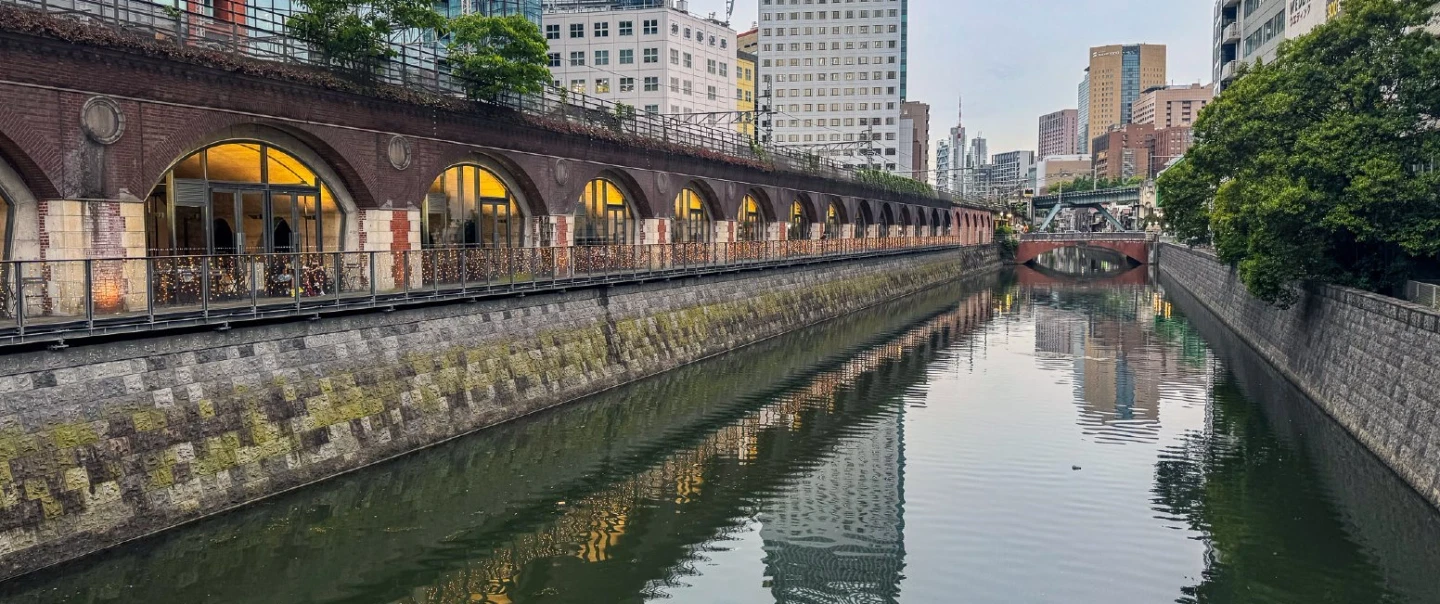
Manseibashi Bridge, near JR Akihabara Station. Depending on where you're staying or coming over from, the meeting point can be flexible. Details can be confirmed through chat once the booking is done.
Share
USD 150
per person
Private
2 - 5 peopleⓘ
4 hours
Wallet free on the day. Tickets, food and drinks as listed, guide fee and tip — all included in the price. You are a guest from the moment you arrive.
Private guided walking tour of Nihonbashi focused on Edo–Tokyo period shinise businesses.
Expert guidance by a journalist-photographer, with cultural interpretation throughout.
Visits to a diverse, curated selection of long-established shinise businesses and traditional eateries with roots in the Edo and Meiji periods.
Historical and cultural context on Edo–Tokyo traditions, continuity and family-run businesses.
Light snacks or small meal during the experience.
Offered in English, Catalan, Spanish
Private
2 - 5 peopleⓘ
4 hours
Wallet free on the day. Tickets, food and drinks as listed, guide fee and tip — all included in the price. You are a guest from the moment you arrive.
Private guided walking tour of Nihonbashi focused on Edo–Tokyo period shinise businesses.
Expert guidance by a journalist-photographer, with cultural interpretation throughout.
Visits to a diverse, curated selection of long-established shinise businesses and traditional eateries with roots in the Edo and Meiji periods.
Historical and cultural context on Edo–Tokyo traditions, continuity and family-run businesses.
Light snacks or small meal during the experience.
Offered in English, Catalan, Spanish
View more Tokyo experiences