
Shinto Roots, Buddhist Paths
Kyoto | Japan
Heritage
Culture
Kyoto Walking Tour: early morning Fushimi Inari, 3 Buddhist temples — one UNESCO, two rarely visited
About
Book
Nearby

Edgin Ticzon
Private
2 - 4 peopleⓘ
6 hours
Offered in English
What is this?
This walk maps Japan's religious history through visits to three temples and a shrine in a small corner of south Kyoto. After covering Shinto's older ground, you explore three Buddhist paths to the question: how does a person reach enlightenment?
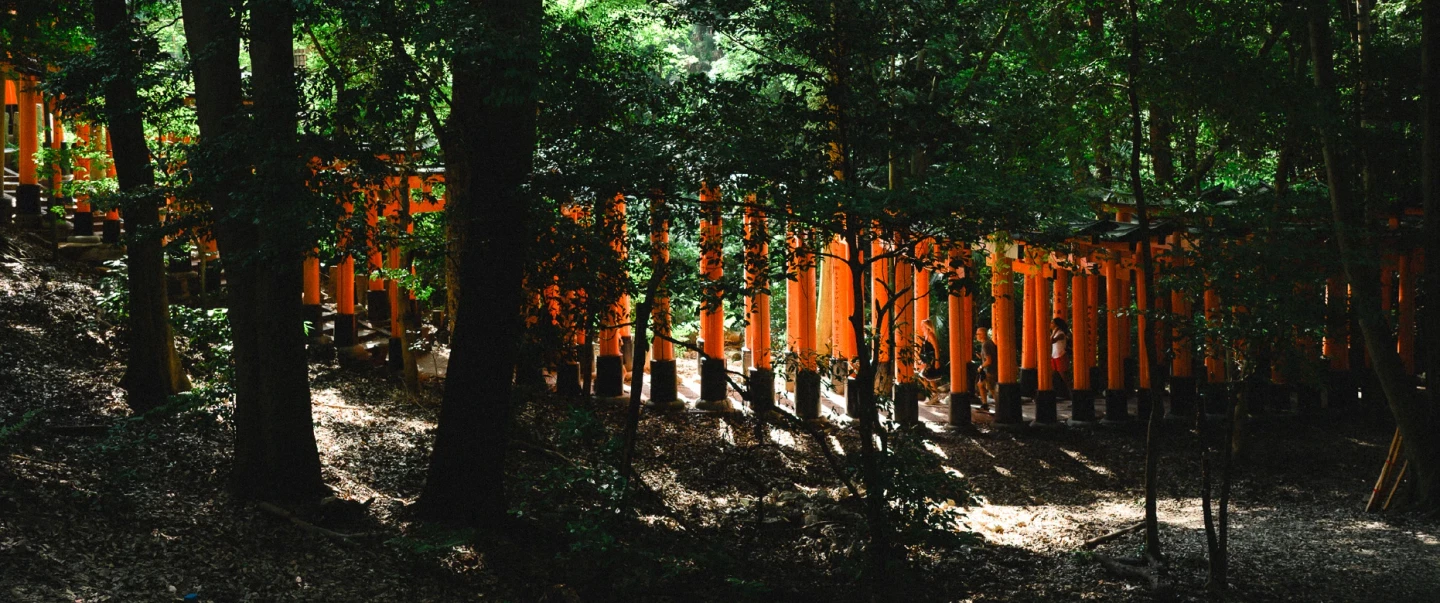
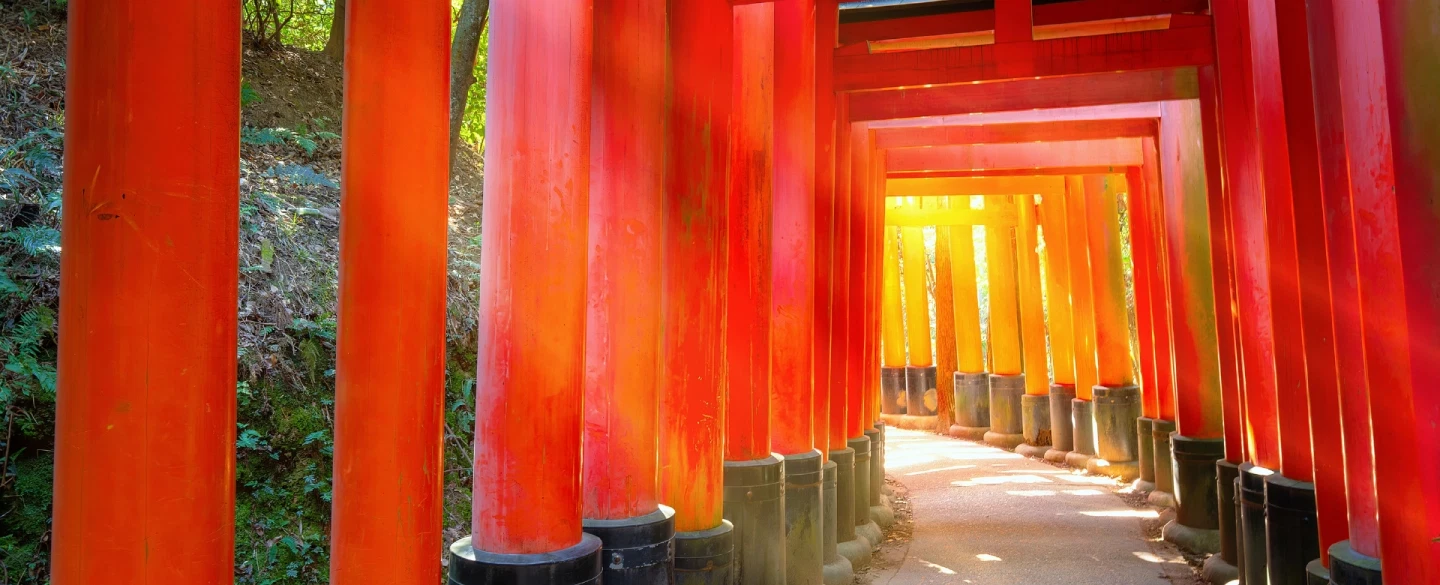
Early morning in Fushimi Inari, there are not many people. There’s birdsong. Light passes through torii. You climb through hundreds of red torii gates that wind up the mountainside, past fox statues in faded red bibs, past small stone altars sitting in moss shining with dew. Viewing the world as naturally sacred, this is Shinto.
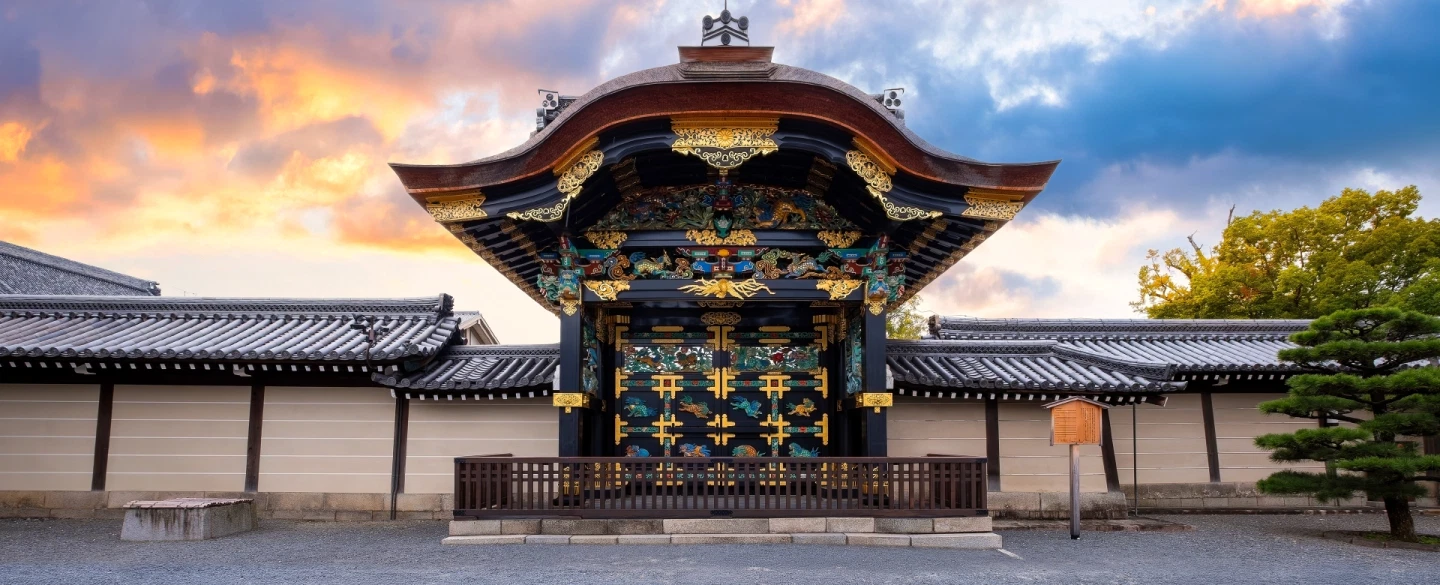
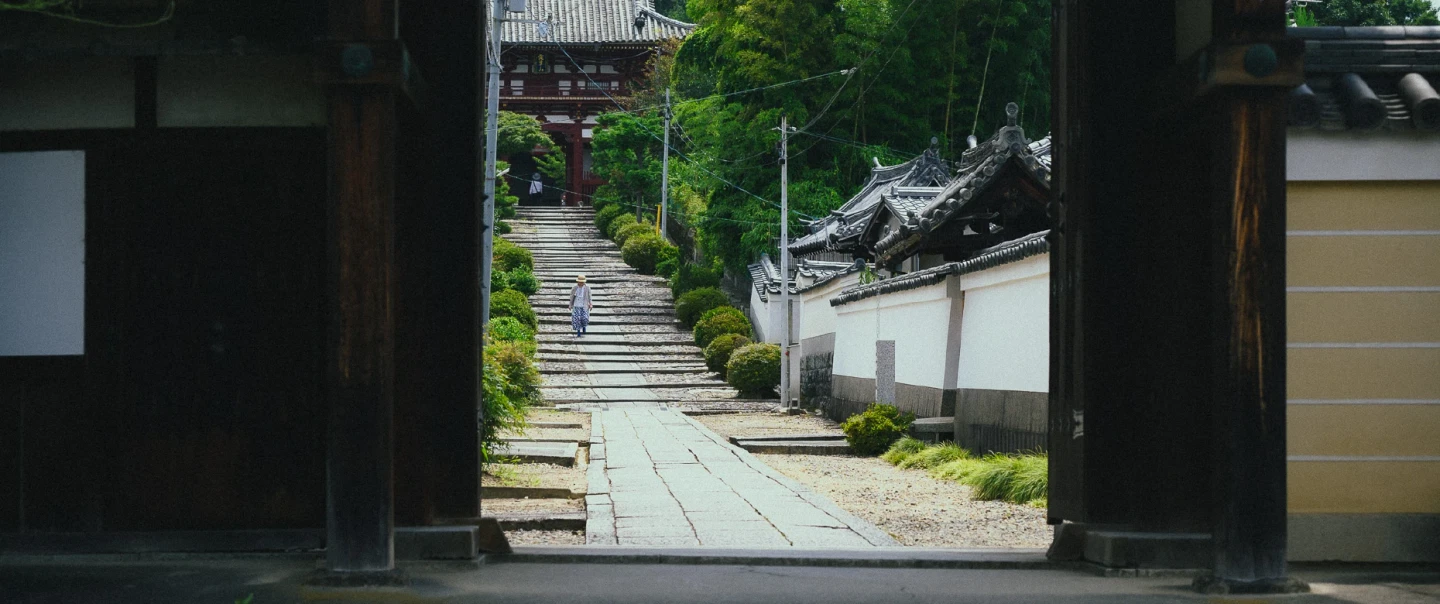
Buddhism arrived in Japan in the mid-6th century — and Japanese thinkers built six distinctive sects, different approaches to attaining enlightenment. You visit the seats of three sects. From an ancient Nichiren temple mentioned in the historical novel The Tale of Genji to an Ōbaku Zen training temple with 500 stone rakan in a bamboo grove, to the headquarters of the Jōdo Shinshū sect, home to its National Treasures.
What makes this unique?
During the day, thousands climb Fushimi Inari mountain path, so it's often hard to feel the "kami," the spirits of nature. When it's peaceful, and your guide tells you stories about the foxes who serve as spirit messengers — you feel the "here and now" of Shinto: living in harmony with the natural world.
The three Buddhist temples follow the same logic. You feel the sect's answer to the all-important enlightenment question within each temple — in natural and built spaces. Each sect found its own way to make that teaching reach ordinary people: the recitation of a sutra, or physical representations of Buddha's life. The Jōdo Shinshū answer — reciting Amida Buddha's name once with sincere heart — was one such simple path.
Without a guide, this would just be another temple visit. Shinto and Buddhism still shape everyday Japanese life. What you take away from this walk is a framework: the next shrine, the next temple, the next painted screen will look different to you.
What is the profile of the host?
Kyoto has been Japan's spiritual capital for over 1,200 years, and its religious landscape is denser than a single visit can hold. Making sense of it requires interpretation and context.
Your guide is a local Kyoto-based tour guide who leads in English, with a personal connection to the region — a lifetime among its shrines, temples, streets, and customs. They have spent years with the spiritual and historical aspects of Shinto and Buddhism — living both faiths, as most Japanese do, as the two have coexisted in a single syncretic tradition — and studying their history. As you walk, your guide will share the stories, traditions, and history behind the places you visit — so you leave able to recognize Shinto and Buddhism when you see them, in places across Japan, and in the everyday life of the Japanese people.
What to bring?
Comfortable walking shoes with good grip — the mountain path at Fushimi Inari Taisha is stone steps, uphill for about an hour, and you'll continue between the three Buddhist temples on foot.
A bottle of water.
Pack a light snack to keep your energy up early morning — brunch will be after the Fushimi Inari climb.
Weather-appropriate clothing (Kyoto is humid in summer, chilly in early spring).
Clothing that covers shoulders and extends to the knees, out of respect for the temples.
Where is this located?
Where will we meet?
You'll meet your guide at the fox statue just inside the main entrance to Fushimi Inari Taisha, beside the Rōmon Gate.
The nearest stations are JR Inari Station (Nara Line) and Fushimi Inari Station (Keihan Main Line). If you're staying in central Kyoto, you can also take a taxi or Uber directly to the shrine — plan for approximately 15–20 minutes, depending on traffic and your hotel location.
Share
USD 200
per person
Private
2 - 4 peopleⓘ
6 hours
Wallet free on the day. Tickets, food and drinks as listed, guide fee and tip — all included in the price. You are a guest from the moment you arrive.
Early-morning guided exploration of Fushimi Inari Shrine and three temples representing distinct Buddhist paths, including two rarely visited by tourists and one UNESCO World Heritage site.
Local Kyoto guide throughout the experience.
Local transportation, including a taxi transfer to one of the temples.
Admission to all temples, where applicable.
Light Japanese "brunch" at local shop specializing in onigiri.
A small keepsake from a tucked-away shop in Fushimi Inari by a local artisan.
Offered in English
Private
2 - 4 peopleⓘ
6 hours
Wallet free on the day. Tickets, food and drinks as listed, guide fee and tip — all included in the price. You are a guest from the moment you arrive.
Early-morning guided exploration of Fushimi Inari Shrine and three temples representing distinct Buddhist paths, including two rarely visited by tourists and one UNESCO World Heritage site.
Local Kyoto guide throughout the experience.
Local transportation, including a taxi transfer to one of the temples.
Admission to all temples, where applicable.
Light Japanese "brunch" at local shop specializing in onigiri.
A small keepsake from a tucked-away shop in Fushimi Inari by a local artisan.
Offered in English
View more Kyoto experiences