
Memory, Justice, Democracy
Santiago | Chile
Heritage
Santiago Memory and Human Rights Museum tour with a political analyst on Chile's recent history.
About
Book
Nearby

Héctor Leiva Fernández
Private
1 - 4 people
2 hours
Offered in English, Spanish
What is this?
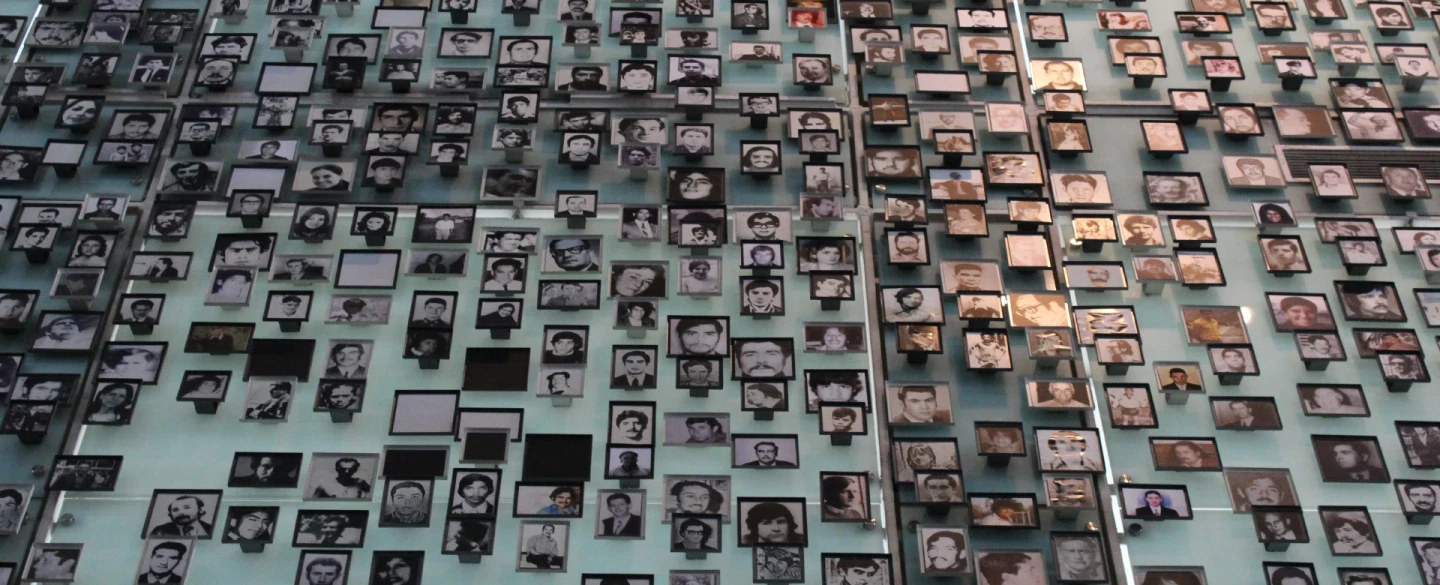
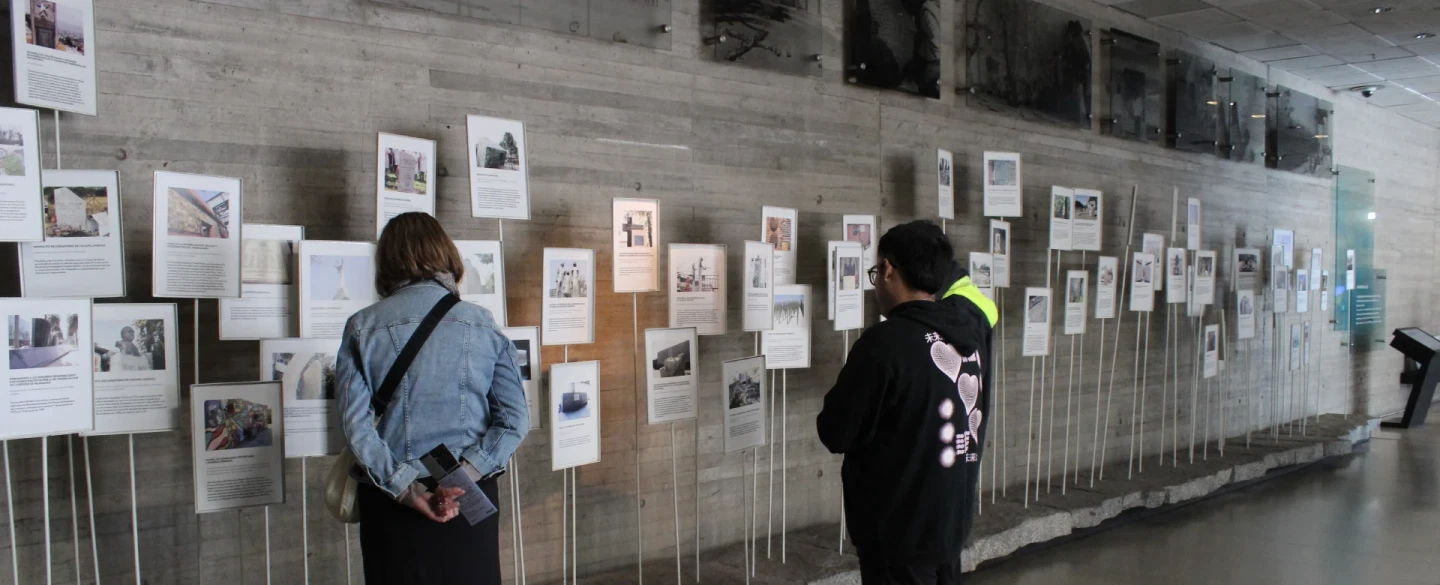
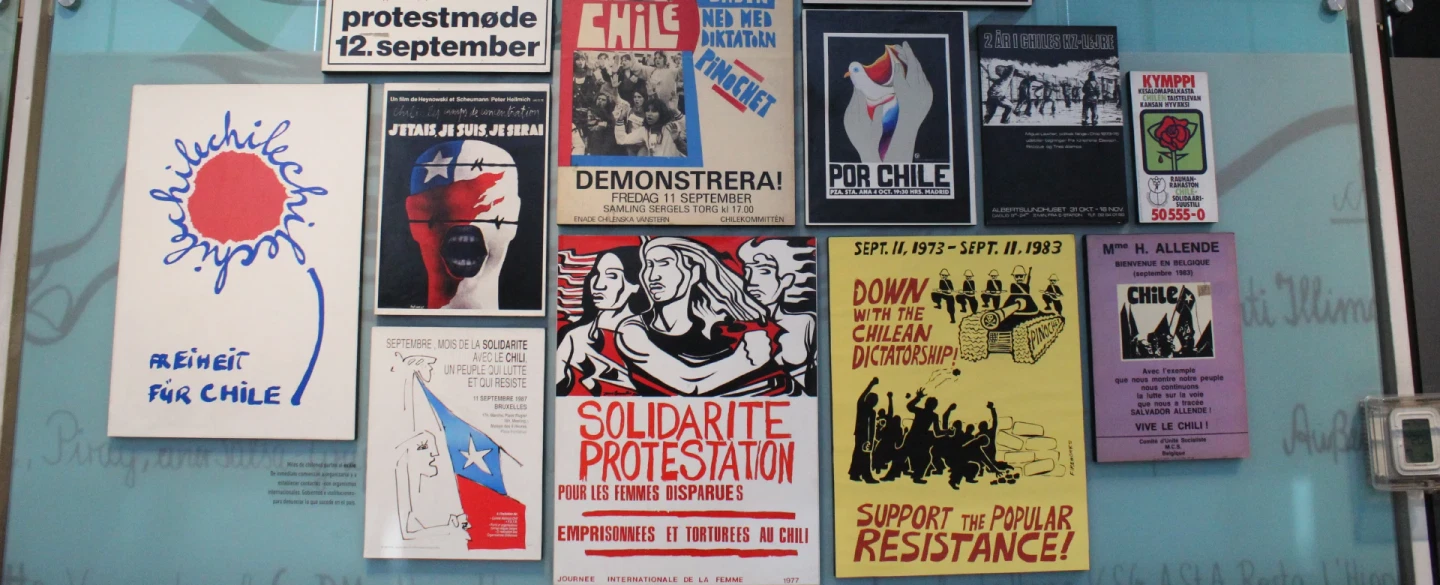
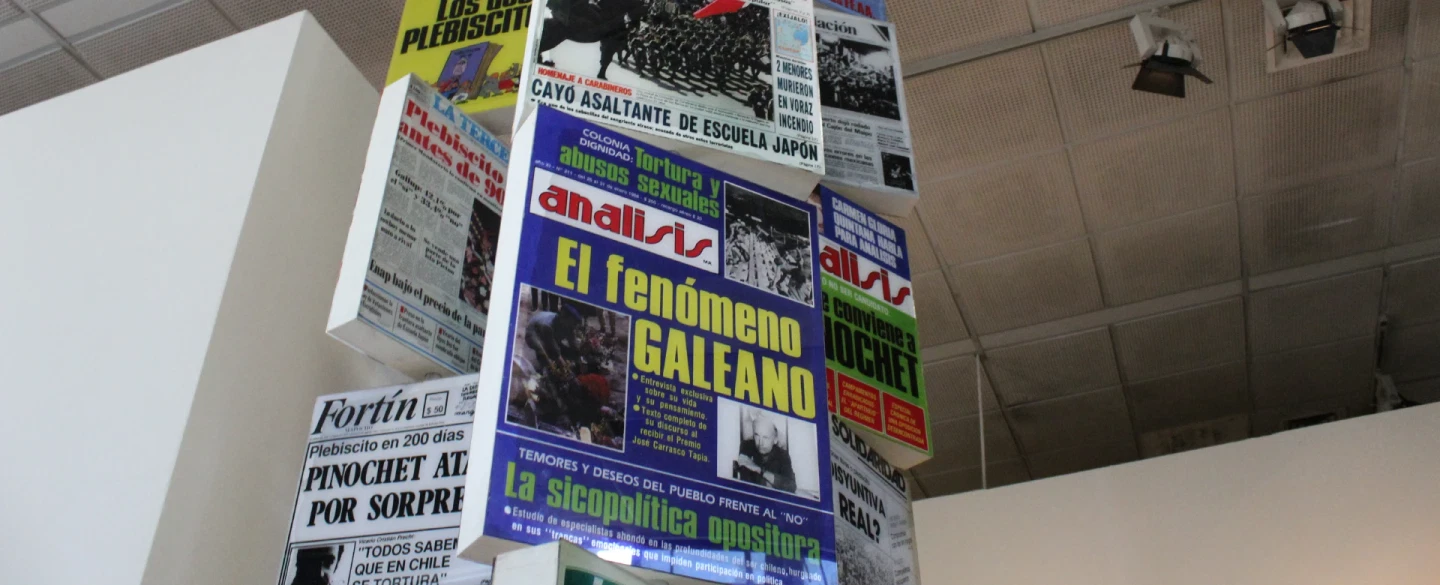
Chile's recent history is impossible to understand without confronting the trauma of the Pinochet dictatorship, and there is no more powerful place to do so than Santiago's Museum of Memory and Human Rights. This private guided visit, curated and hosted by a local political analyst, explores one of Latin America's most important contemporary museums. Through photographs, testimonies, audiovisual archives, and personal objects, the museum documents the human rights violations committed during Chile's military regime between 1973 and 1990, while tracing the country's long and ongoing journey toward justice, remembrance, and democratic renewal.
Héctor's political and historical context and personal perspective transforms the museum visit from a collection of exhibits into a nuanced portrait of modern Chile. His expertise starts with the dictatorship's legacy and extends through the country's more recent institutions, social movements, and contemporary political debates.
What makes this unique?
Many visitors come to Santiago without fully understanding how profoundly Chile's dictatorship from 1973-1990 still shapes the country today, from its politics and constitution to generational memory and public protest. Exploring the museum with Héctor, a political analyst, is far richer than an audio guide can offer – it gives you an interpretation from someone who can unpack the broader significance of what you’re seeing, explain the complexities of Chile’s transition to democracy, and situate the museum within current political discourse.
The experience is intellectually rigorous yet deeply human. It's ideal for thoughtful travelers who want to move beyond surface-level sightseeing and engage seriously with the events that have shaped, and continue to leave a mark on, modern Chile. This is one of the most meaningful and sobering cultural experiences in Santiago. Come curious, and don't be shy to ask Héctor any questions.
What is the profile of the host?
Born in Arica, Northern Chile, Héctor Leiva Fernández spent most of his childhood and adolescence in Santiago. He graduated as a Political Analyst specializing in International Studies from the University of Santiago, Chile. Through his work as a guide and the CEO of his own boutique tour operation, Héctor aims to enlighten travelers on Chile's political history and contemporary current affairs. His mission is to share the background story behind the landmarks visited on his experiences and to ensure visitors connect with the authenticity of Santiago.
Besides guiding, Héctor also works as a DJ, which means he is an expert on the local music and nightlife scene in Santiago! If Héctor is unavailable to host your experience, one of his trusted and knowledgeable guides will take his place.
What to bring?
Good to know: Large bags are not permitted inside the museum.
Where is this located?
Where will we meet?
Héctor will meet you at the main entrance to the Museum of Memory and Human Rights, at the coffee kiosk on the esplanade.
An Uber ride can drop you directly outside the museum. Otherwise, you can take Metro Line 5 to Quinta Normal Metro Station and walk from there (less than one minute).
Share
USD 150
per person
Private
1 - 4 people
2 hours
Wallet free on the day. Tickets, food and drinks as listed, guide fee and tip — all included in the price. You are a guest from the moment you arrive.
Guided visit to Santiago’s Museum of Memory and Human Rights with a political analyst.
Admission to the museum.
Historical and political interpretation of Chile’s dictatorship, transition to democracy, and contemporary debates.
Complementary context-setting before and after the tour, including documents, films, and reading recommendations.
Coffee and cake at the museum café.
Offered in English, Spanish
Private
1 - 4 people
2 hours
Wallet free on the day. Tickets, food and drinks as listed, guide fee and tip — all included in the price. You are a guest from the moment you arrive.
Guided visit to Santiago’s Museum of Memory and Human Rights with a political analyst.
Admission to the museum.
Historical and political interpretation of Chile’s dictatorship, transition to democracy, and contemporary debates.
Complementary context-setting before and after the tour, including documents, films, and reading recommendations.
Coffee and cake at the museum café.
Offered in English, Spanish
View more Santiago experiences