

Stone, Street, and Courtyard

Marbella | Spain
About
What is this?
The morning begins above the coast near La Concha, where the mountain’s shelter explains why this stretch of shoreline has been continuously inhabited. From there, you move to the Villa Romana de Río Verde. The mosaics here — notable for depicting everyday domestic items — suggest a working settlement tied to coastal production and Mediterranean exchange rather than imperial spectacle.
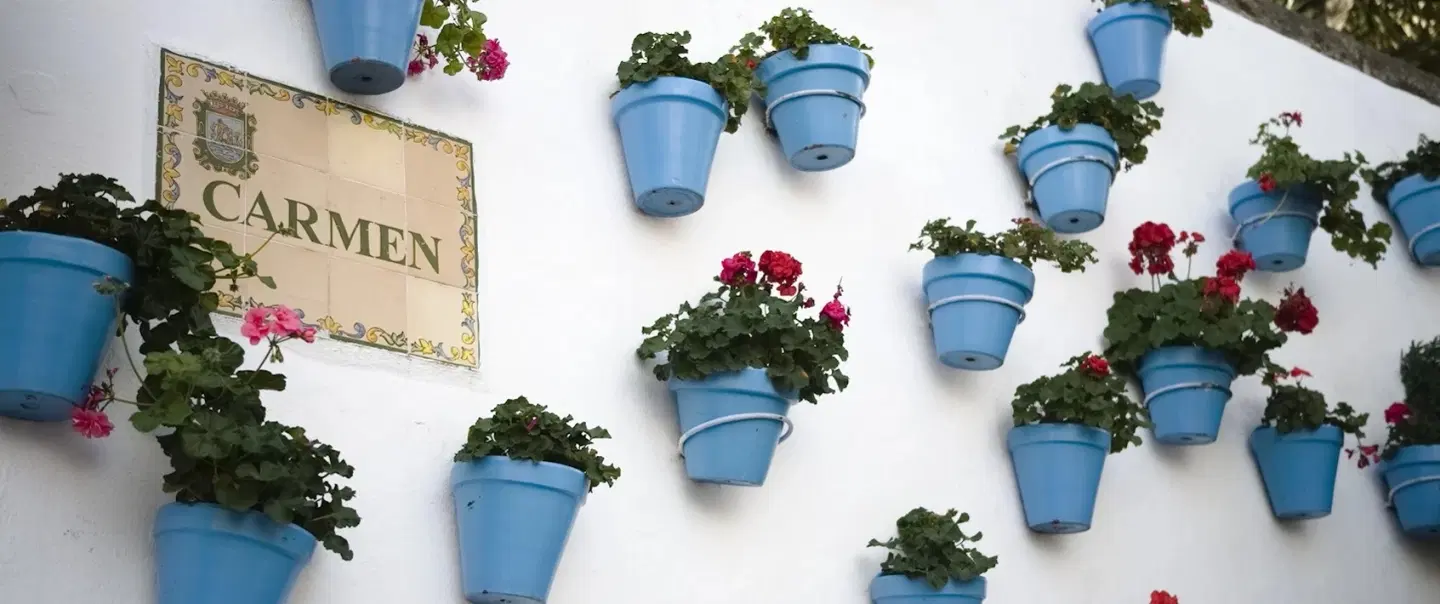
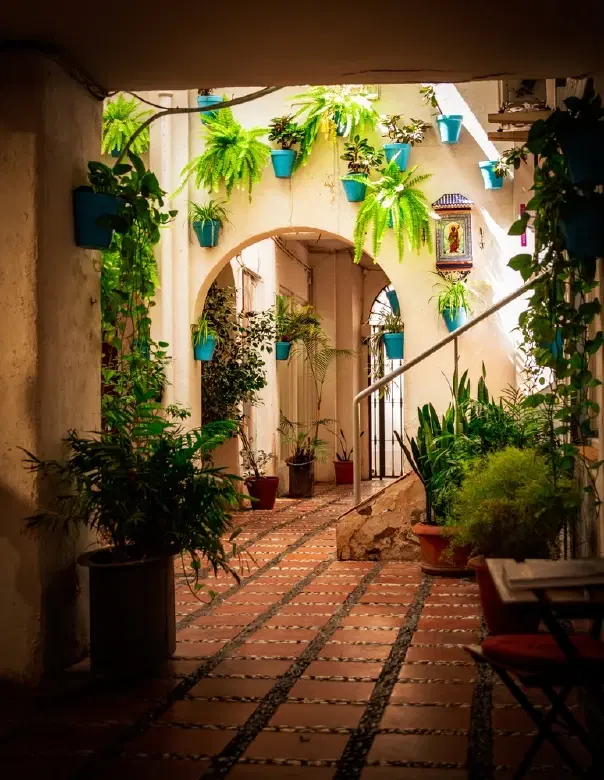
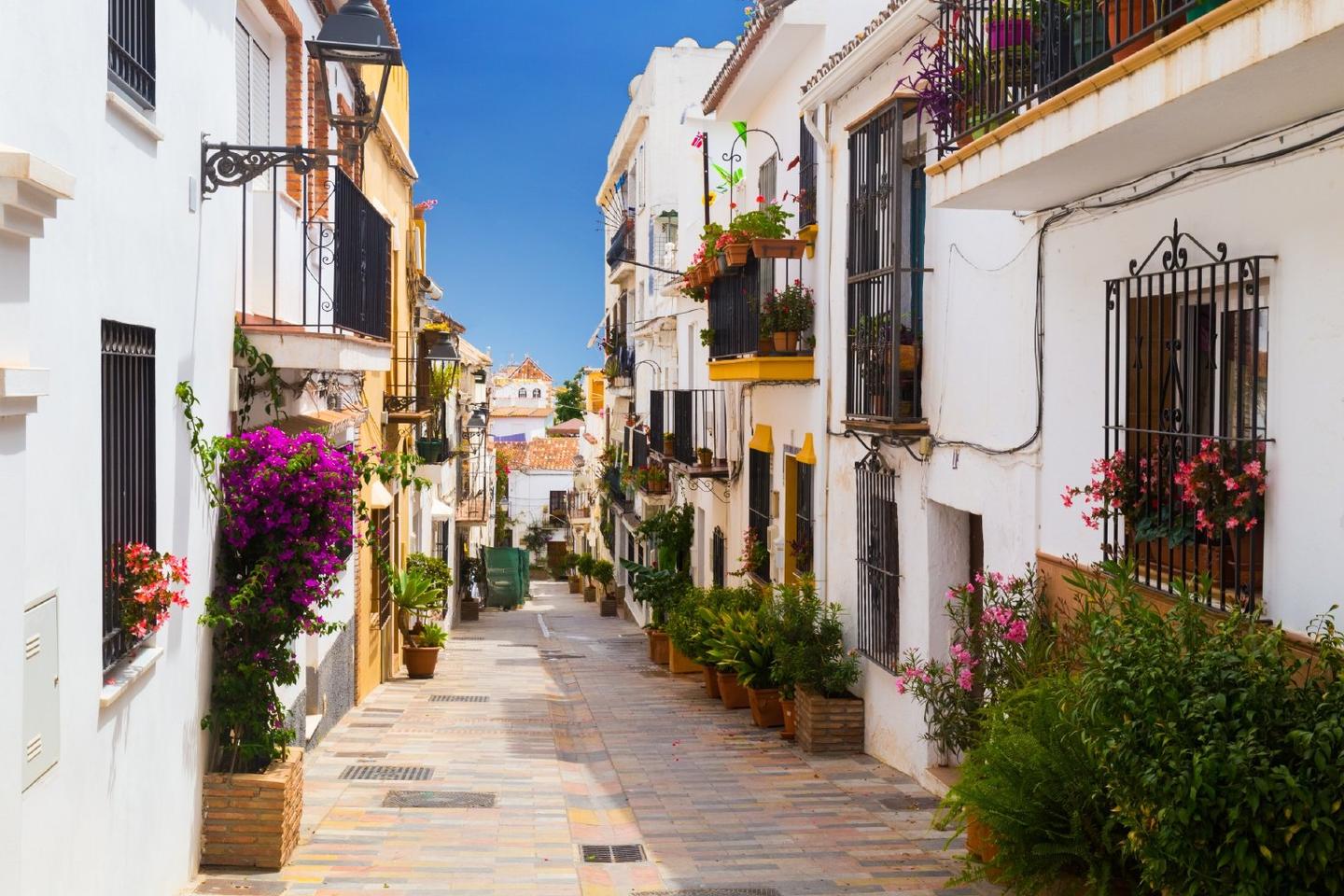
In the historic centre, the street grid still follows the logic of the former medina. You pause inside a private courtyard for coffee, experiencing the inward-facing spatial model that defined Andalusian domestic life for centuries — light filtered, sound softened, life arranged around shade and water.
Nearby, the Ermita del Santo Cristo de la Vera Cruz, built after the Christian conquest of 1485, marks a shift in religious authority while retaining earlier urban patterns.
Lunch draws from the same coast that sustained these earlier communities.
What makes this unique?
The first half of the day is about structure — how geography, faith, and daily routines formed the town long before its modern reputation. Instead of isolated monuments, you encounter continuity: Roman floor patterns, Islamic street planning, Renaissance chapel architecture, and domestic design operating within the same compact footprint.