
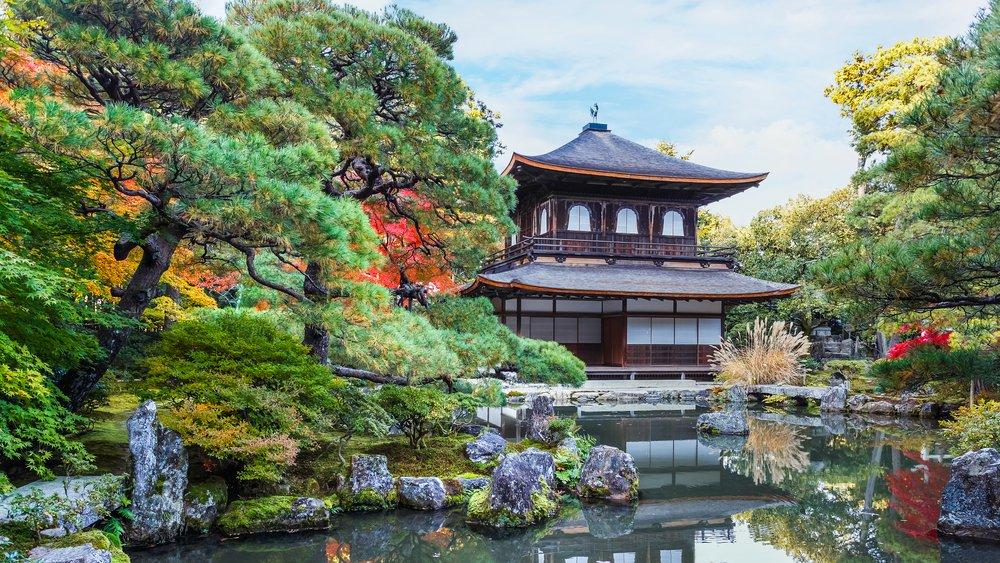
Wabi-Sabi at Silver Pavilion

Kyoto | Japan
About
What is this?
Your day begins at Ginkaku-ji — the Silver Pavilion — in the northeastern part of Kyoto, at the foot of the Higashiyama mountains. Unlike its more gilded sibling, Kinkaku-ji, this temple was never meant to dazzle. Built by Shogun Ashikaga Yoshimasa in the 15th century, it reflects a life of restraint, beauty, and retreat. You’ll enter through stone paths that wind past moss-covered groves and raked white sand, where silence is part of the design.
What makes this unique?
Ginkaku-ji embodies the wabi-sabi aesthetic that came to define Kyoto’s cultural DNA — an embrace of transience, imperfection, and subtle form.
While many travelers pass through this site, few grasp the philosophical vision behind its creation — because it takes someone fluent in Kyoto’s design language, history, and aesthetics to help you read it.
It’s here that your guide begins teaching you how to read Kyoto: why moss is left to spread, why the pavilion was never covered in silver, why emptiness is intentional. You’ll take in the famous sand cone — said to reflect Mount Fuji — and pause along the hillside path that reveals the temple’s full geometry. This stop sets the tone for the rest of the experience.